Laboratory products
What are Retired Cells?
Apr 29 2017
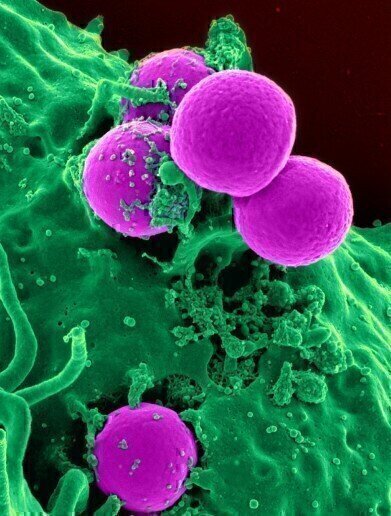
Cells are the building blocks of life. They make up everything in our bodies, and can cause major diseases when they mutate or become infected. But what happens when cells become dormant? Not much really. Their DNA is damaged and they are no longer a part of bodily functions. However, new research suggests these retired cells might have a bit more to them.
Calling it a day
As people age, the cells in their body become damaged. Eventually, this DNA damage leads to a state of disrepair. This can have a number of outcomes. The cells could self-destruct. They could also mutate into cancerous cells. But the third option, which scientists are investigating, are cells which become semi-dormant – or ‘senescent’.
For the last decade, scientists have been questioning the idea that these senescent ells are bystanders. Maybe they don’t just remove themselves from the body’s functions. Several studies have contributed evidence of senescent cells being linked to various diseases, with higher concentrations around the likes of cataracts and arthritic joints.
Anti-ageing ability
Naturally, this has led to scientists considering how removing the cells could impact on the body. Last year, they used a drug to kill senescent cells in mice, and found that the mice lived 20% longer as a result. But more recent research has actually shown that ageing can be reversed by removing these cells.
In recent tests, mice were treated with similar drugs to remove senescent cells. And rather than simply removing the risk of disease, the treatment improved the health of the mice in several ways. Following the treatment, researchers found that the mice’s fur actually regrew and kidney function improved. They were even able to run further than untreated animals.
Moving from mice to humans
The researchers are now looking to test whether the mice live longer with this specific treatment. It’s hoped that it could eventually be used to reverse age-related problems in humans. But are mice always the best choice when it comes to testing potential treatments?
Controversy aside, there are a number of drawbacks to using animals, not least that they don’t accurately replicate human physiology. And while most of the public accept the use of animals in scientific research, they agree that more work is required to find alternatives where possible. ‘Human Models for Human Disease: The Animal Replacement Centre of Excellence’ explores how a UK based charity is promoting and funding animal-replacement research activities.


Digital Edition
Lab Asia Dec 2025
December 2025
Chromatography Articles- Cutting-edge sample preparation tools help laboratories to stay ahead of the curveMass Spectrometry & Spectroscopy Articles- Unlocking the complexity of metabolomics: Pushi...
View all digital editions









Events
Jan 21 2026 Tokyo, Japan
Jan 28 2026 Tokyo, Japan
Jan 29 2026 New Delhi, India
Feb 07 2026 Boston, MA, USA
Asia Pharma Expo/Asia Lab Expo
Feb 12 2026 Dhaka, Bangladesh




