-
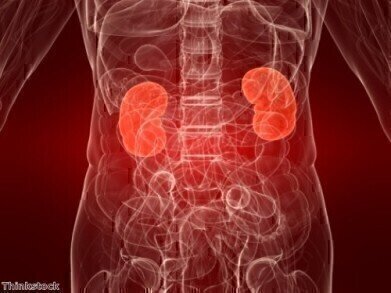 Patients can be monitored for rejection of transplanted kidneys through new non-invasive testing technique
Laboratory products
Clinical trial develops non-invasive test for early indication of kidney transplant rejection
Jul 05 2013
A new clinical trial has shown that a non-invasive test has the ability to detect if a patient is rejecting transplanted kidneys. Weill Cornell Medical College has developed the 3-gene signature test in order provide effective treatment for patients who are likely to reject their transplanted kidneys well before they start to display symptoms of doing so.
The report on the clinical trial has been published in the New England Journal of Medicine (NEJM) and details how the levels of three genetic molecules in urine samples can indicate if rejection is taking place.
According to the study's lead author, Doctor Manikkam Suthanthiran, the test is an incredibly accurate way of diagnosing the serious complication well before a patient begins to display symptoms; by which point it is often too late for treatment.
Dr Suthanthiran, Stanton Griffis Distinguished Professor of Medicine at Weill Cornell Medical College and chief of Transplantation Medicine, Nephrology and Hypertension at NewYork-Presbyterian Hospital/Weill Cornell Medical Centre, said: "It looks to us that we can actually anticipate rejection of a kidney several weeks before rejection begins to damage the transplant.
"We have, for the first time, the opportunity to manage transplant patients in a more precise, individualised fashion. This is good news since it moves us from the current one-size-fits-all treatment model to a much more personalised plan."
The new test could also be used to aid doctors to determine how much of the immunosuppressive drugs a patient who has undergone a kidney transplant will need in order to further reduce the risk of rejection. As patients are required to take these drugs for the rest of their lives, having a way to determine the dosage for individuals could create a more effective course of treatment in the long run.
The study co-author, Doctor Darshana Dadhania, associate attending physician at NewYork-presbyterian Hospital and associate professor of medicine and medicine in surgery at Weill Cornell Medical College, has said that a test such as this is vital in helping patients that have undergone a kidney transplant to live a longer life. The testing could have the capability of vastly improving the life and maintaining the effectiveness of the transplanted organ.
Digital Edition
Lab Asia Dec 2025
December 2025
Chromatography Articles- Cutting-edge sample preparation tools help laboratories to stay ahead of the curveMass Spectrometry & Spectroscopy Articles- Unlocking the complexity of metabolomics: Pushi...
View all digital editions









Events
Jan 21 2026 Tokyo, Japan
Jan 28 2026 Tokyo, Japan
Jan 29 2026 New Delhi, India
Feb 07 2026 Boston, MA, USA
Asia Pharma Expo/Asia Lab Expo
Feb 12 2026 Dhaka, Bangladesh




