-
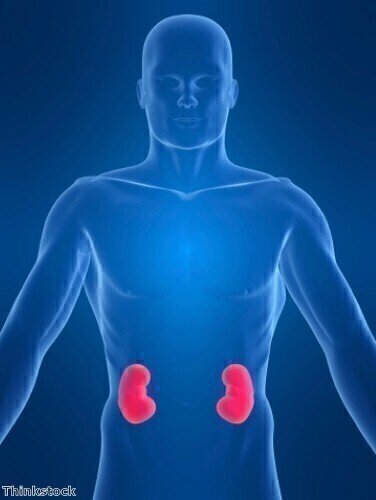 The procedure offers fewer complications than traditional techniques
IT solutions
Kidney transplant technique advances robot-assisted surgery
Jan 22 2014
A new technique for organ transplantation has been found to benefit robot-assisted organ transplantations. Surgeons from Henry Ford Hospital and Medanta Hospital in India have successfully completed 50 kidney transplants using a new procedure that sees the organ being cooled by ice throughout the operation.
The innovative technique helps to advance robotic surgery and presents it as a suitable, minimally invasive option for transplants when compared to traditional methods of open surgery. This type of operation can reduce pain and discomfort in the patient following the surgery and can present with fewer possible complications, according to Dr Mani Menon, chair of Henry Ford's Vattikuti Urology Institute.
"The benefits of minimally invasive surgery in removing donor kidneys has been well established in earlier studies, but the use of robot-assisted surgery in transplanting those kidneys is comparatively a frontier," he added.
Researchers developed the technique following on from the identification of benefits of robot-assisted surgery for healthy kidney donors. It was theorised that if this type of procedure was beneficial for healthy patients then it could also be a good option for those that are ill and have been weakened by their need for a transplant.
The new technique involves cooling the transplant site and the donor kidney through the use of a sterile ice slush. By cooling the kidney and the transplant site, surgeons were allowed more time to perform the surgery using robot-assisted techniques. The use of cooling techniques has previously proved successful during minimally invasive prostate surgeries, according to Dr Menon.
By using sterile ice to cool the kidney, surgeons are able to preserve its function, as previous research has found that if left without blood supply for longer than 30 minutes during the procedure, it does not function at 100 per cent upon completion of the surgery.
Of the 50 patients who underwent surgery using this innovative technique, none presented with infections, blood leaks, urine leaks or other complications that can arise from kidney transplant surgery. Dialysis was also not required by any of the patients following the operation.



Digital Edition
Lab Asia Dec 2025
December 2025
Chromatography Articles- Cutting-edge sample preparation tools help laboratories to stay ahead of the curveMass Spectrometry & Spectroscopy Articles- Unlocking the complexity of metabolomics: Pushi...
View all digital editions









Events
Jan 21 2026 Tokyo, Japan
Jan 28 2026 Tokyo, Japan
Jan 29 2026 New Delhi, India
Feb 07 2026 Boston, MA, USA
Asia Pharma Expo/Asia Lab Expo
Feb 12 2026 Dhaka, Bangladesh




