
Raman spectroscopy
Quick identification of environmental microplastic particles
Aug 01 2025
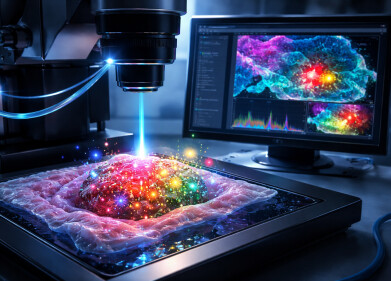
Microplastics - plastic particles smaller than 5 mm - are now recognised as the most prevalent form of marine debris and an emerging environmental health concern. Despite growing awareness, their long-term effects remain poorly understood. These particles are classified as either primary (e.g., manufactured beads and fibres) or secondary, which result from the breakdown of larger plastics through physical, chemical, and biological processes.
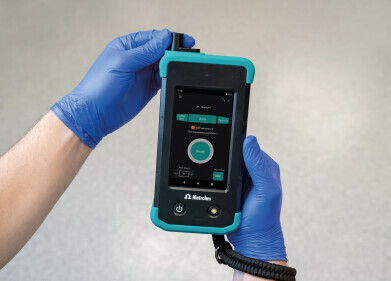
To better understand the origin and potential biological impacts of microplastics, research laboratories must strengthen their analytical capabilities. Spectroscopic techniques are well suited to polymer identification. This aids the determination of origin and helps predict biological impacts. Laboratory Raman spectroscopy is an alternative to confocal Raman microscopes and Fourier transform infrared (FTIR) microscopes for quick identification of polymer materials. However, very small samples are poor candidates for traditional Raman analysis. A recent application note from Metrohm highlights the successful use of Raman microscopy in identifying microplastics at the microscale, offering promising avenues for routine environmental monitoring.
More information online


Digital Edition
Lab Asia Dec 2025
December 2025
Chromatography Articles- Cutting-edge sample preparation tools help laboratories to stay ahead of the curveMass Spectrometry & Spectroscopy Articles- Unlocking the complexity of metabolomics: Pushi...
View all digital editions







Events
Jan 21 2026 Tokyo, Japan
Jan 28 2026 Tokyo, Japan
Jan 29 2026 New Delhi, India
Feb 07 2026 Boston, MA, USA
Asia Pharma Expo/Asia Lab Expo
Feb 12 2026 Dhaka, Bangladesh