News
World Health Organization adopts historic pandemic agreement, backed by global experts
May 30 2025
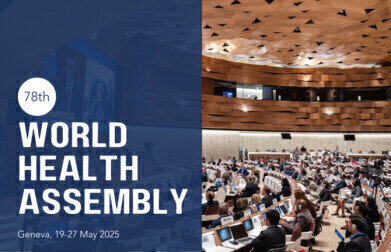
In a landmark international agreement that marks a major turning point in global public health policy, Member States of the World Health Organization (WHO) formally adopted the world’s first Pandemic Agreement this May. The decision, made during a plenary session of the 78th World Health Assembly, follows more than three years of intensive international negotiations driven by the devastating lessons of the COVID-19 pandemic.
“The world is safer today thanks to the leadership, collaboration and commitment of our Member States to adopt the historic WHO Pandemic Agreement,” said Dr. Tedros Adhanom Ghebreyesus, WHO Director-General.
“This is a victory for public health, science and multilateral action. It ensures we are better equipped to protect the world from future pandemic threats and reaffirms that societies and economies must never again be left so vulnerable.”
The agreement sets out principles and tools for stronger global coordination in pandemic prevention, preparedness and response. Among its key provisions are commitments to equitable and timely access to:
- vaccines
- diagnostics
- therapeutics
- improved surveillance systems
- reinforced public health infrastructure.
Critically, the accord emphasises the importance of equity, transparency and scientific collaboration in managing global health emergencies.
The vote which approved the agreement in committee passed overwhelmingly with 124 votes in favour, no objections, and only 11 abstentions.
Dr. Teodoro Herbosa, Secretary of Health of the Philippines and President of this year’s World Health Assembly, underscored the significance of the agreement:
“Governments from around the world, acting with urgency and determination, have crafted a once-in-a-generation accord. Now, the world must implement it with equal urgency – especially ensuring fair access to life-saving health tools for all.
“The lessons of COVID-19 must not be forgotten,” he concluded.
Importantly, the agreement includes safeguards regarding national sovereignty. It clearly states that it does not grant the WHO, or its Director-General, the authority to impose measures such as travel bans, vaccine mandates or lockdowns on the organisation’s member countries. This clause aims to address concerns from some states about potential overreach while maintaining strong global cooperation.
The WHO Pandemic Agreement was immediately welcomed by the Global Virus Network (GVN) which is a coalition of virologists and research institutions in more than 40 countries. In a statement released following the adoption, GVN praised the accord as a critical step toward a more coordinated, transparent and science-driven approach to pandemic threats.
“This agreement reinforces what we have long advocated: the need for sustained investment in global surveillance, rapid data sharing, and equitable access to diagnostics, vaccines, and therapeutics,” a spokesperson for the organisation said.
“It affirms the vital role of science and international solidarity in pandemic preparedness.”
Separately, GVN experts recently warned of rising threats from zoonotic diseases such as H5N1 avian influenza and emphasised the urgent need for stronger pandemic intelligence systems. These emerging risks, they argue, highlight the importance of proactive frameworks like the WHO accord.
GVN has pledged to work closely with WHO and its member states to support implementation of the agreement. The organisation plans to contribute technical expertise, research capacity, and public health partnerships to ensure practical and equitable global roll-out.
While celebrating the agreement’s adoption, GVN also expressed hope that all nations would eventually endorse the accord.
“A truly global commitment is essential to make sure no country is left behind in the face of future pandemics,” its statement concluded.
From the unprecedented global response to COVID-19, to the lessons of the HIV/AIDS pandemic, and the growing threat of zoonotic outbreaks, the WHO Pandemic Agreement stands as a new foundation for global health security – one rooted in unity, science, and preparedness for the challenges to come.




Digital Edition
Lab Asia Dec 2025
December 2025
Chromatography Articles- Cutting-edge sample preparation tools help laboratories to stay ahead of the curveMass Spectrometry & Spectroscopy Articles- Unlocking the complexity of metabolomics: Pushi...
View all digital editions










Events
Jan 21 2026 Tokyo, Japan
Jan 28 2026 Tokyo, Japan
Jan 29 2026 New Delhi, India
Feb 07 2026 Boston, MA, USA
Asia Pharma Expo/Asia Lab Expo
Feb 12 2026 Dhaka, Bangladesh




