News
Is Climate Change Jeopardising Global Biodiversity?
Jun 23 2016
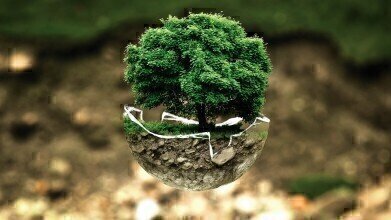
Over the past decade, the global effects of climate change have intensified. And now, scientists are maintaining that changing temperatures and weather patterns are having a massive impact on plant and animal life. As the world heats up, biodiversity cools off, with both the number and range of species expected to decline. For planet Earth, the impact on both humanity and ecosystems is a major concern.
Here’s why:
Environmental impact
According to research from the Intergovernmental Panel on Climate Change, temperatures may rise by up to 6 degrees Celsius by 2100. This is largely due to the fact that greenhouse gases are on the rise. The gases actively absorb heat from the sun, which heats the atmosphere internally.
Land biodiversity
The world’s polar regions are melting at an alarmingly fast rate, which not only triggers a rise in sea levels but also destroys the habitats of Arctic creatures like polar bears, penguins, puffins and whales. Drastic temperature changes will trigger shifts in mating cycles, and throw off migratory animals.
Ocean Biodiversity
For marine animals, rising sea levels and temperatures could significantly alter zooplankton patterns, which would have a major knock on effect on the ocean’s overall biodiversity. Plankton may be small, but they’re an essential part of the food chain! Carbon dioxide could also accelerate water acidification, which would endanger the health of organisms that are sensitive to pH.
A faltering food chain
As biodiversity dwindles, the effect on the food chain will be fierce. Imbalances could not only impact ecosystems, but also humanity’s ability to nourish growing populations. For example, the loss of insect species could prevent plant and crop pollination. As forests are felled, key medicinal plants could be lost forever. Similarly, some fire resistant grasses could be wiped off the biodiversity chart, which could leave region’s more vulnerable to wildfires.
While the world has a radius of 6,371 km, it’s defined by incredibly sensitive ecosystems. All work together to create balance, with even the smallest of organisms playing their part. As plant and animal species become extinct, the Earth’s health deteriorates in chorus.
In the lead up to the Olympics, Rio has landed itself in the spotlight for its unhealthy ecosystems. ‘Advanced Rio Lab Warns of Olympic Water Quality Danger’ explores the latest concerns from the Federal University of Rio de Janeiro, with researchers concerned about worrying trends for parameters such as ammonia, nitrates and phosphates.



Digital Edition
Lab Asia Dec 2025
December 2025
Chromatography Articles- Cutting-edge sample preparation tools help laboratories to stay ahead of the curveMass Spectrometry & Spectroscopy Articles- Unlocking the complexity of metabolomics: Pushi...
View all digital editions










Events
Jan 21 2026 Tokyo, Japan
Jan 28 2026 Tokyo, Japan
Jan 29 2026 New Delhi, India
Feb 07 2026 Boston, MA, USA
Asia Pharma Expo/Asia Lab Expo
Feb 12 2026 Dhaka, Bangladesh




