-
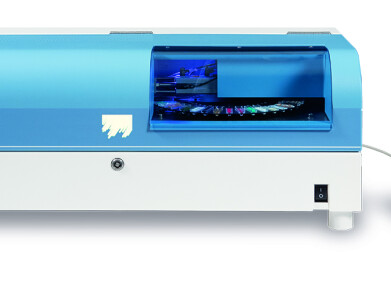
 Figure 1: Oxygen / Nitrogen / Hydrogen Analyzer ELEMENTRAC ONH-p 2
 -
 Figure 2: Typical Sample Shapes like Pins, Granule and Powders
 -
 Figure 3: The ELEMENTRAC ONH-p 2 features a sample carousel with 32 positions
Laboratory products
ONH Analysis - Sample Shape Does (Not) Matter
Jun 03 2025
Inorganic materials like metals (iron, copper..), alloys (steel, brass..) and/ or ceramics (silicon carbide, boron nitride..) can be subjected to a lot of mechanical and chemical testing. Mechanical testing could mean e.g. the determination of hardness, density or tensile strength. Chemically analysis e.g. could encompass elemental analysis for present metals (iron, copper, chromium), but also for nonmetals (e.g. carbon, sulfur) or gases like oxygen, nitrogen and hydrogen. The content of gases (oxygen, nitrogen and hydrogen) in inorganic materials can influence the mechanical properties in a very significant way (e.g. ductility and hardness), and it is therefore an important part of quality control.
STANDARD COMPLIANT ANALYSIS OF GASES
A common analysis technique for O/N/H determination is inert gas fusion with analyzers like the ELEMENTRAC ONH-p2. This analyzer is compliant to all relevant international standards like the ASTM E 1019; ASTM 1409 , DIN EN 3976 and many other.
Inert gas fusion analyzers are focused on the measurement of oxygen, nitrogen and hydrogen and show several advantages vs. spectrometric techniques like XRF or OES. ONH analyzer like the ELEMENTRAC ONH-p2 can determinate oxygen, nitrogen and hydrogen concentration in a wide concentration range from lower than 0,0001 % up to the higher percentage range in many inorganic samples like metals, alloys or ceramics, which is not possible with OES or XRF. In addition the ELEMENTRAC ONH-p2 can process different shaped samples which reduces the time for sample preparation significantly.
TYPICAL SAMPLE SHAPES
Inorganic solids, including steel, titanium and ceramics, are suitable for ONH analysis via inert gas fusion. The shape of inorganic solids can be further differentiated by particle size, e.g. solid pins and wires, crushed or granulated samples and powders. The sample shape to be analyzed could be caused by the production of the product, the sample taking process or by the sample preparation process which is done for other analysis process.
TYPICAL RESULTS OF ONH ANALYSIS
The ELEMENTRAC ONH-p2 can provide precise and reliable results for different shaped and composited samples.
Granule steel based samples like the ZRM 284-2 are analysed with a sample weight of approximately 1000 mg , showing an oxygen content of 0.0099 ± 0.00015 % and a nitrogen content of 0.0151 ± 0.00017 %.
Solid samples like the ELTRA copper CRM 91000-1004 can be processed with even higher samples weights like 2000 mg, showing very precise results for oxygen like 0.0007 ± 0.000044 %.
Precise analysis is also possible with low sample weights. E.g. the CRM ED 101 silicon nitride sample was processed with 12-20 mg delivering an oxygen content of 2.07 ± 0.05 % and a nitrogen content of 38.08 ± 0.17 %.
SUMMARY AND CONCLUSION
Inert gas fusion with the ELEMENTRAC ONH-p2 is a standard compliant and easy to use analysis technique for the determination of oxygen, nitrogen and hydrogen in inorganic samples. In comparison to spectrometric techniques the sample shape and the related sample preparation in general is less relevant for a correct analysis and the reliable analysis of powders, granule or solid sample is an easy job with the correct application settings.
More information online: Oxygen / Nitrogen / Hydrogen Analysis with the ELTRA ONH-p
Digital Edition
Lab Asia Dec 2025
December 2025
Chromatography Articles- Cutting-edge sample preparation tools help laboratories to stay ahead of the curveMass Spectrometry & Spectroscopy Articles- Unlocking the complexity of metabolomics: Pushi...
View all digital editions









Events
Jan 21 2026 Tokyo, Japan
Jan 28 2026 Tokyo, Japan
Jan 29 2026 New Delhi, India
Feb 07 2026 Boston, MA, USA
Asia Pharma Expo/Asia Lab Expo
Feb 12 2026 Dhaka, Bangladesh




