Analysers
Importance of TGA and CNr Instruments in the Food and Feed Industry
Apr 01 2025
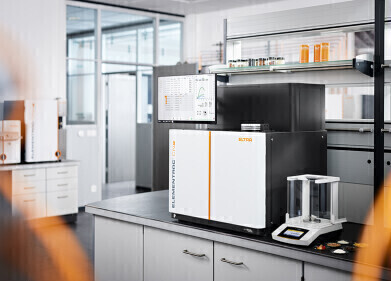
In the food and feed industry, Thermogravimetric Analysis (TGA) and Carbon-Nitrogen Analysis (CNr) are crucial for determining various components in samples. These instruments allow for the measurement of moisture, ash, carbon, and protein content, which are important for quality control and nutritional analysis.
Determination of Moisture and Ash Content with TGA
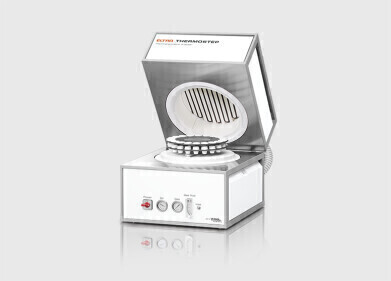
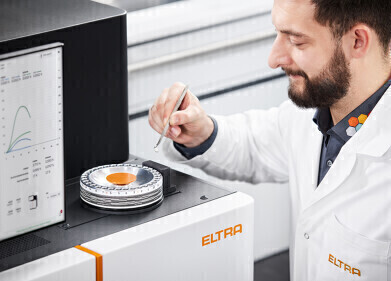
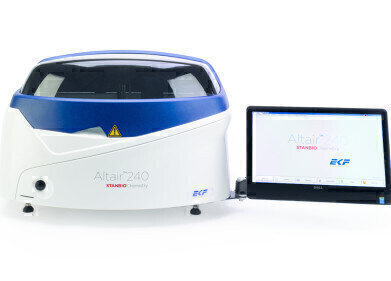
The ELTRA-TGA instrument is used to determine the moisture and ash content in samples. By heating the sample to the drying temperature and simultaneously monitoring the weight of the sample, the moisture content can be measured as it decreases. After drying, the sample is heated until complete Ashing to determine the ash content. This process is simple and efficient, enabling precise analysis of these components.
The TGA device continuously measures the sample weight throughout the entire process. The built-in scale in the TGA provides real-time data for moisture and ash content determination. This method is user-friendly and allows for fully automated simultaneous analysis of multiple samples.
Determination of Carbon and Protein Content with CNr
The CNr instrument is used to measure the carbon and protein content in samples. The protein content is influenced by the moisture content of the sample. Hygroscopic samples can absorb moisture from the air, altering the water content and affecting the protein measurement. Therefore, the combination of both analyses is particularly important. Normally, the nitrogen content is calculated based on the dry sample, from which the protein content is then determined. This method is suitable for various sample types such as soil, coffee, and milk powder.
Dumas vs. Kjeldahl Method
The Kjeldahl method is known for its slow analysis process, which takes about five to six hours and requires significant manpower.
In contrast, the Dumas method provides fast results, as the analysis of a sample with minimal sample preparation takes only about five minutes. Sample preparation is minimal, and the analysis is efficient, making it ideal for laboratories with high throughput. Additionally, the materials required for the Dumas method are cost-effective, making it an economical alternative.
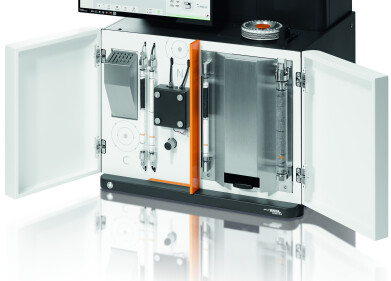
The ELTRA-CNr system features a ballast tank that simplifies the analysis process. Unlike other systems that dose oxygen, the ELTRA-CNr system operates with pure oxygen. This ensures precise combustion of the sample. This method minimizes the consumption of consumables and extends the intervals between consumable changes, making the system economical and efficient.
Application in Soil Analysis
The principles of food and feed analysis can also be applied to soil samples. The moisture content of soil affects nitrogen determination, so accurate measurement is essential for reliable results. The TGA and CNr instruments allow for quick and precise analysis, providing high-quality data for various applications.
Conclusion
The use of TGA and CNr instruments in the food and feed industry, as well as in soil analysis, offers significant advantages in terms of accuracy, efficiency, automation, and cost-effectiveness. These analytical tools are essential for laboratories that want to perform precise and reliable sample analyses.

.jpg)
Digital Edition
Lab Asia Dec 2025
December 2025
Chromatography Articles- Cutting-edge sample preparation tools help laboratories to stay ahead of the curveMass Spectrometry & Spectroscopy Articles- Unlocking the complexity of metabolomics: Pushi...
View all digital editions









Events
Jan 21 2026 Tokyo, Japan
Jan 28 2026 Tokyo, Japan
Jan 29 2026 New Delhi, India
Feb 07 2026 Boston, MA, USA
Asia Pharma Expo/Asia Lab Expo
Feb 12 2026 Dhaka, Bangladesh




