
Laboratory products
Does Autism Affect the Gut?
Jun 07 2019
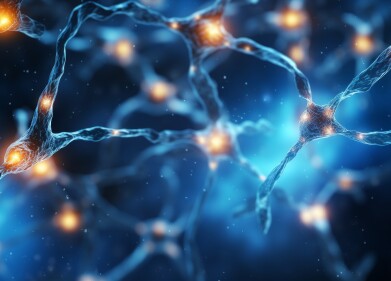
While autism is classed as a developmental disorder, new research from RMIT University in Melbourne confirms that up to 90% of people diagnosed with the neurobehavioral condition also suffer from gut problems. While the causes of the gut-brain nervous system connection are unknown, the team suggest that identical gene mutations found in both the brain and the gut could be linked.
"We know the brain and gut share many of the same neurons and now for the first time we've confirmed that they also share autism-related gene mutations," explains Chief Investigator Associate Professor Elisa Hill-Yardin.
A breakthrough for symptom management
The new findings represent an exciting breakthrough for autism research, with Hill-Yardin maintaining that targeting the gut could help manage the behavioural issues associated with autism and fast-track the development of new therapies.
"Our findings suggest these gastrointestinal problems may stem from the same mutations in genes that are responsible for brain and behavioural issues in autism. It's a whole new way of thinking about it - for clinicians, families and researchers - and it broadens our horizons in the search for treatments to improve the quality of life for people with autism."
Researchers target gene mutation
The RMIT research builds on previous clinical work from a radical 2003 European study that analysed two brothers with autism. The researchers identified a unique gene mutation as the cause of the disorder and found that it affects neurological signals by interfering with the "velcro" that binds neurons together. The European study also included clinical observations of the gastrointestinal problems, which inspired the RMIT researchers to investigate the connection further. They found that mice with the same "velcro" gene mutation also suffer from gut contractions, as well as significant differences in the number of gut microbes.
"The link we've confirmed suggests a broader mechanism, indicating that the mutations that affect connections between neurons could be behind the gut problems in many patients," says Hill-Yardin.
Tweaking gut microbes to manage autism
The research is set to be published in Autism Research and will spotlight how nervous system gene mutations influence microbes in the gut and how manually tweaking them could help regulate manage autism symptoms and improve mood and behaviour.
"While this wouldn't reverse the gene mutation, we might be able to tone down its effects, and make a real difference in the quality of life for people with autism and their families," adds Hill-Yardin.
There's currently no medication to cure autism though some medications, including risperidone and aripripazole, can help manage the symptoms. For an in-depth look at how reducing particle size plays a central role in drug development don't miss 'The Importance of Comminution in Pharmaceutical Analysis.'

Digital Edition
Lab Asia Dec 2025
December 2025
Chromatography Articles- Cutting-edge sample preparation tools help laboratories to stay ahead of the curveMass Spectrometry & Spectroscopy Articles- Unlocking the complexity of metabolomics: Pushi...
View all digital editions










Events
Jan 21 2026 Tokyo, Japan
Jan 28 2026 Tokyo, Japan
Jan 29 2026 New Delhi, India
Feb 07 2026 Boston, MA, USA
Asia Pharma Expo/Asia Lab Expo
Feb 12 2026 Dhaka, Bangladesh




