Autoclaves
Few laboratory mistakes are as familiar, or as disruptive, as a media boilover. The sight of agar or broth erupting from a flask is not just messy; it can compromise sterility, foul the autoclave chamber, and introduce safety risks.
Boilovers occur with an autoclave due to pressure–temperature imbalance, combined with violent nucleation. If pressure drops faster than heat dissipates, the superheated liquid can suddenly flash into vigorous boiling. As dissolved gases come out of solution, the expanding foam created pushes liquid out of the container. Media that contain agar or other polymers are especially prone to this.
Because media boilovers arise from well-understood physical processes, they can be prevented by applying equally well-understood controls.
Fill containers no more than two-thirds full, or one-half full for viscous media such as agar. This provides room for thermal expansion and for transient bubbling without overflow.
With the best intentions, mistakes can occur. Cleaning a deep tray in the event of a boilover is much easier and preferable to cleaning inside of an autoclave chamber and its plumbing!
Media that are freshly prepared, highly filtered, or very smooth inside can paradoxically boil more violently because they lack stable nucleation points. Standard lab practice addresses this indirectly:
The goal is controlled, continuous bubbling, not sudden explosive nucleation.
Selecting the correct autoclave and cycle is critical. Liquid cycles are designed with slower exhaust phases than solid-waste cycles. This slower depressurisation allows the liquid temperature to fall in step with pressure changes, preventing superheating.
Media Warming is a highly useful feature, which allows media to cool to a factory pre-set temperature of 45°C, then cycle between 45°C and 55°C. This allows nutrient media to be held safely as a liquid until needed. When combined with features such as the delayed start function, it enables labs to prepare media overnight, ready to utilise first thing in the morning.
If your lab intends to run a lot of liquid loads, consider choosing an autoclave with an air ballast. Air Ballast serves two functions: it mitigates rapid chamber depressurisation by flooding the chamber with cool, pressurised air as the autoclave vents hot steam. The influx of fresh air helps cool the load safely and reduces the loss of media to evaporation.
A common mistake is opening an autoclave as soon as pressure reaches ambient levels. Allowing the load to stand inside the autoclave until the temperature drops further is a simple but effective safeguard when dealing with potentially superheated liquids. It ensures thermal equilibrium before handling and dramatically reduces late-stage boilovers.
Media boilovers are the predictable outcome of thermodynamics, fluid expansion, and pressure change. Labs that avoid them do so by respecting these principles: ensuring adequate headspace, using appropriate containers, selecting the appropriate cycle, slow pressure release, and patience during cooling.
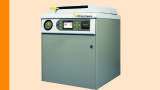
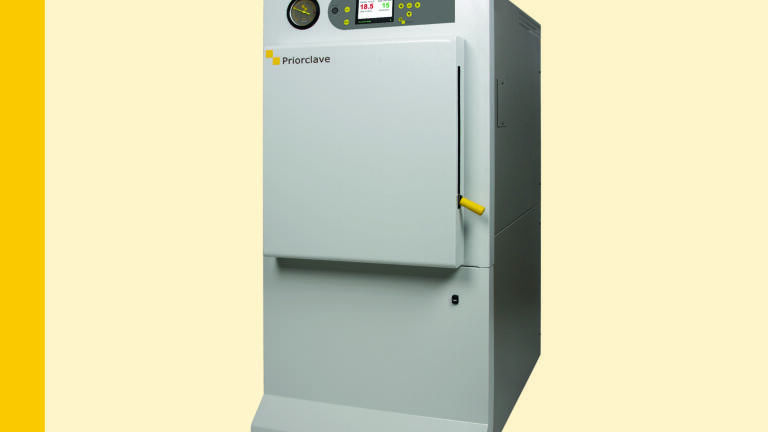
All Priorclave autoclaves are built with special attention to liquid loads, nutrient broth, and media preparation. The chamber and valve design discourage evaporation, bottle ruptures, and excessive boiling. Priorclave’s optional air ballast system provides the benefits of equalised chamber pressure and supports the cooling process, reducing the likelihood of burst bottles and boil-over.
Contact Priorclave If you have any questions or want to discuss your lab’s autoclave needs.
More information online


.jpg)
-(2).jpg)