Microscopy & microtechniques
New nanotechnology method reveals surprising results
Dec 20 2011
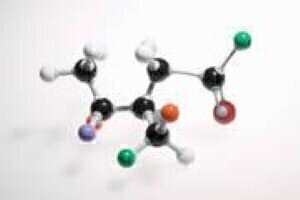
A significant step forward in the mechanics of controlling chemical reactions has been made by UCLA physics professor Giovanni Zocchi and former UCLA physics graduate student Yong Wang, who have discovered an isolated protein molecule is neither a solid nor a liquid.
The discovery is being hailed as a nanotechnology feat, as a new method allowed them to apply stresses and probe the mechanics of the protein without destroying it. Zoochi and colleagues have made significant steps towards a new approach to protein engineering in previous research, creating a nanoscale mechanism to externally control the function and action of a protein in 2005, as well as creating a first-of-its-kind nanoscale sensor using a single molecule less than 20 nanometers long in 2003.
The results of the latest study discovered a "transition to a viscoelastic regime in the mechanical response" of the protein.
Professor Zocchi commented:"Below the transition, the protein responds elastically, like a spring.
"Above the transition, the protein flows like a viscous liquid. However, the transition is reversible if the stress is removed. Functional conformational changes of enzymes (changes in the shape of the molecule) must typically operate across this transition."
.jpg)
-(2).jpg)

Digital Edition
Lab Asia Dec 2025
December 2025
Chromatography Articles- Cutting-edge sample preparation tools help laboratories to stay ahead of the curveMass Spectrometry & Spectroscopy Articles- Unlocking the complexity of metabolomics: Pushi...
View all digital editions









Events
Jan 21 2026 Tokyo, Japan
Jan 28 2026 Tokyo, Japan
Jan 29 2026 New Delhi, India
Feb 07 2026 Boston, MA, USA
Asia Pharma Expo/Asia Lab Expo
Feb 12 2026 Dhaka, Bangladesh




