Mass spectrometry & spectroscopy
Is a Cure Emerging for One of the Deadliest Poisons?
Feb 22 2017
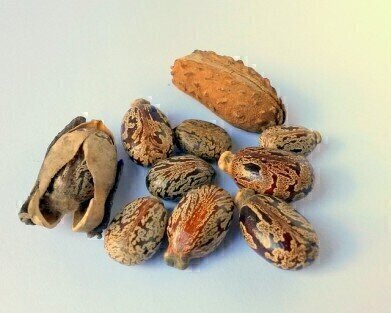
From doctors and chemists to diehard Breaking Bad fans, the lethal effects of ricin are well known. Now, new research suggests that thanks to a potent blend of antibodies, ricin poisoning could soon be treatable. Working together, the antibodies actively neutralise the toxic effects of the poison, which is found in castor beans.
Coveted by political assassins and disgruntled housewives alike, ricin is a powerful toxin and bona fide bioterrorism agent. Currently, it has no cure and can cause death within a matter of days. Though according to a new study presented at the American Society for Microbiology’s Biothreats meeting, a cure could be in the making. Tested on mice, researchers have used a cocktail of antibodies to successfully reverse the effects of ricin exposure.
The dangers of castor beans
Despite its innocent origins as a castor bean component, ricin is immensely dangerous. The U.S. Centers for Disease Control and Prevention rates is as a category B bioterrorism agent, second only to high risk agents like anthrax, plague and Ebola.
Symptoms are fast and destructive, and can impair breathing to the point that the skin turns blue. It can also trigger diarrhoea, vomiting and seizures, which can lead to death in as little as 36 hours.
So how does it wreak its havoc? The poison is a known RIP, or ‘ribosome-inactivating protein.’ Acting as miniscule protein factories, ribosomes are a critical part of maintaining cell health. When exposed to RIPs, they’re unable to produce protein and simply shut down. Ultimately, this is a death sentence for the exposed victim.
RIP to RIPs
Now, instead of simply letting the RIPs destroy cellular function, biochemist Ohad Mazor and his colleagues have developed what could be a promising cure. Working from the Israel Institute for Biological Research, the team blended together a trio of proteins called neutralising antibodies. Essentially, they latch onto ricin and prevent it from penetrating cells. Even after 48 hours of exposure, 73% of treated mice recovered. Meanwhile, their untreated counterparts all died within a week.
A campaign is now underway to test the cure on monkeys or pigs, and eventually humans.
For more insight into the latest pharmaceutical developments, ‘Boosting Discovery and Early Development of Drug Candidates with New MALDI Technology’ is a fantastic read. It spotlights the role of MALDI technology in the small molecule R&D industry, and how the system has revolutionised the landscape for drug discovery and instrument manufacturers.
Digital Edition
Lab Asia Dec 2025
December 2025
Chromatography Articles- Cutting-edge sample preparation tools help laboratories to stay ahead of the curveMass Spectrometry & Spectroscopy Articles- Unlocking the complexity of metabolomics: Pushi...
View all digital editions








Events
Jan 21 2026 Tokyo, Japan
Jan 28 2026 Tokyo, Japan
Jan 29 2026 New Delhi, India
Feb 07 2026 Boston, MA, USA
Asia Pharma Expo/Asia Lab Expo
Feb 12 2026 Dhaka, Bangladesh




