Mass spectrometry & spectroscopy
Can We Train Our Bodies to Fight Cancer?
Feb 16 2017
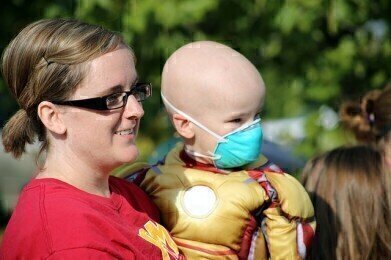
Frustrating, heart-breaking and endlessly mysterious, the fight against cancer has eluded medical scientists for decades. But could the solution lie with more than just medicine? According to some researchers, the answer is yes.
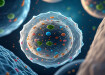
Over the past few years, the concept of ‘immunotherapy’ has been gaining momentum. It’s based on the understanding that the human immune system is incredibly complex, and amazingly powerful. Unlike doctors, it has the capacity to identify and destroy an endless stream of invaders, without killing off the 30 trillion cells that define a healthy body.
Outsmarting cancerous cells
One of the biggest challenges doctors face is the fact that broken cancerous cells can replicate and amplify the signals of undamaged, non-cancerous cells. This allows them to fly under the immune system radar, and grow without disruption. Over time this destroys the normal physiological functioning of tissues and organs, and can eventually lead to death.
Now, research teams are attempting to harness the immense power of the human immune system, and use it to fight off cancerous cells. The concept is called immunotherapy, and has already garnered positive results in both animal and clinical trials. Ultimately, it involves training the immune system to recognise cancerous cells, and put them under attack.
Harnessing the power of the human body
So how does it work? When foreign cells infect the body, the immune system intervenes. It floods the body with antibodies that attach themselves to the antigen proteins that coat the surface of the unwanted cell. If this isn’t enough to destroy the invader, the antibodies call on T-cells to complete the neutralisation process.
Like bacteria and viruses, cancer cells also produce antigens. However antibodies can’t bind to their antigens, which means the immune system can’t fight them off. As a result, this allows tumours to grow unchecked, and eventually destroy the body.
‘Educating’ the immune system
This is where immunotherapies come in. They’re designed to ‘educate’ the immune system, and help it produce antibodies that can bind to cancerous cells, and flag them for destruction. Scientists are currently exploring the use of laboratory-made drugs containing monoclonal antibodies, as well as single-shot vaccines that activate the same process.
Of course, immunotherapy isn’t a ‘one size fits all’ solution. It does have its complexities, and there’s still immense groundwork to be done before it emerges as an orthodox treatment. That said, some tests have made it to stage two trials, which is hugely promising.
Lab research plays a critical role in the fight against cancer. For more insight into the industry, ‘Boosting Discovery and Early Development of Drug Candidates with New MALDI Technology’ spotlights the latest developments in small molecule R&D.

Digital Edition
Lab Asia Dec 2025
December 2025
Chromatography Articles- Cutting-edge sample preparation tools help laboratories to stay ahead of the curveMass Spectrometry & Spectroscopy Articles- Unlocking the complexity of metabolomics: Pushi...
View all digital editions








Events
Jan 21 2026 Tokyo, Japan
Jan 28 2026 Tokyo, Japan
Jan 29 2026 New Delhi, India
Feb 07 2026 Boston, MA, USA
Asia Pharma Expo/Asia Lab Expo
Feb 12 2026 Dhaka, Bangladesh




