-
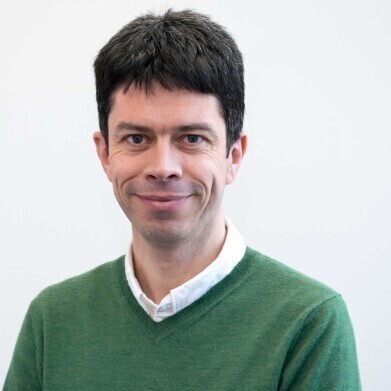 Manu De Rycker (Credit: University of Dundee)
 -
 Susan Wyllie (Credit: University of Dundee)
Research news
Breakthrough in study of deadly parasitic infections
Feb 07 2024
An initiative focused on research into parasitic infections, including experts at the University of Dundee’s School of Life Sciences, has produced two drug compounds aimed at the potential treatment of the deadly parasitic infections, Chagas Disease and visceral leishmaniasis. Other partners in this global effort include GSK, the Drugs for Neglected Diseases initiative (DNDi), the London School for Hygiene and Tropical Medicine, the University of Antwerp, Monash University, Epichem and Griffith University.
One of the compounds DNDI-6174, was found to be highly effective in models of visceral leishmaniasis infection and also has potential for further clinical development. The second compound closely related to DNDI-6174, was combined with lowered doses of the clinically-used benznidazole; this was found to effectively cure Chagas disease in an experimental model, after only five days of treatment. The reduction of both the levels and treatment duration of benznidazole was deemed highly advantageous, given the drug’s association with severe side effects often preventing completion of treatments.
Dr Manu De Rycker, Head of Translational Parasitology within Dundee’s School of Life Sciences, said, “It is hard to understate the significance of these two breakthroughs. Both Chagas disease and visceral leishmaniasis claim thousands of lives every year, often in some of the most deprived regions of the world. Current treatment options are inadequate and there is an urgent need for new therapeutics. The research we are publishing presents exciting opportunities to develop potentially transformative treatments.
“Our Drug Discovery Unit and the Mode of Action group are leading the way in developing potential new treatments for Neglected Tropical Diseases, but this is incredibly complex work. These success stories are testament to the commitment of our researchers and the collaborative work we conduct with our partners.”
Dr Susan Wyllie, Head of the Mode of Action group, said “I am delighted that my group were able to make significant contributions to both studies. The primary goal of the Mode of Action group is to facilitate the development of new drugs to treat the world’s most neglected diseases. It is fantastic that these highly collaborative studies represent a step closer to making these new treatments a reality.”
Visceral leishmaniasis is transmitted by infected sandflies that bite humans, with infection causing fever, weight loss and anaemia; and if left untreated it is fatal in more than 95% of cases. Over 50,000 new cases occur annually, with around 600 million people are at risk of visceral leishmaniasis, mainly in East Africa, India, and Brazil.
The World Health Organisation estimates that between six and seven million people around the world are infected with Trypanosoma cruzi, the parasite that causes Chagas disease.
“The development of these compounds has been a fully collaborative effort, driven by the urgent need for simplified, short-course, oral treatments for people affected by visceral leishmaniasis and Chagas disease,” said Stéphanie Braillard, Nonclinical Development Leader at the DNDi. “The University of Dundee is an important partner in the work to develop safe, effective and affordable treatments for neglected populations.”
The research is published in two companion articles in Science Translational Medicine.
More information online


Digital Edition
Lab Asia Dec 2025
December 2025
Chromatography Articles- Cutting-edge sample preparation tools help laboratories to stay ahead of the curveMass Spectrometry & Spectroscopy Articles- Unlocking the complexity of metabolomics: Pushi...
View all digital editions








Events
Jan 21 2026 Tokyo, Japan
Jan 28 2026 Tokyo, Japan
Jan 29 2026 New Delhi, India
Feb 07 2026 Boston, MA, USA
Asia Pharma Expo/Asia Lab Expo
Feb 12 2026 Dhaka, Bangladesh




