Research news
Mouth and gut bacteria linked to cognitive decline in Parkinson’s disease by King’s team
Jun 20 2025
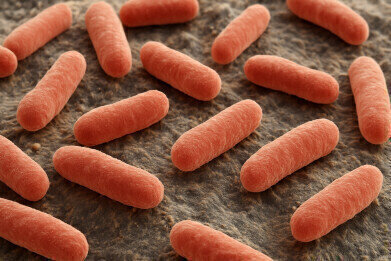
Researchers at King’s College London have found that specific alterations in the microbiome – the community of microorganisms in the body – are linked to the worsening of cognitive symptoms in Parkinson’s, including the transition from mild memory difficulties to dementia.
The findings suggest that such microbial changes could serve as early warning signs of cognitive decline, potentially enabling earlier intervention. At present, diagnosing Parkinson’s in its early stages is particularly challenging, as symptoms develop gradually over time.
The study contributes to a growing body of evidence highlighting the strong connection between gut and brain health. While the ‘gut–brain axis’ has been the subject of considerable scientific investigation, previously relatively little research has focused on its role in the cognitive decline associated with neurodegenerative conditions such as Parkinson’s.
“The human gut and oral bacterial communities are increasingly linked to neurodegenerative diseases. Disruptions in the gut–brain axis could trigger inflammation and immune responses that contribute to neuronal damage.
“A common gum disease bacterium like Porphyromonas gingivalis has been discovered as a potential driver of Alzheimer’s,” said Dr Saeed Shoaie, group leader of the Quantitative Systems Biology Lab at King’s College London.
Bacteria behind dental gingivitis may cause cardiac scarring and trigger atrial fibrillation
A common gum disease caused by the bacteria Porphyromonas gingivalis (P. gingivalis) has been linked to the accumulation of scar tissue in the heart muscle and a heightened risk of developing at... Read More
The study analysed stool and saliva samples from 228 individuals. These included two groups of patients with Parkinson’s – one group experiencing mild cognitive impairment and another with dementia – alongside a healthy control group.
The researchers identified clear differences in the composition and function of bacteria between these groups. In patients with cognitive symptoms, the gut contained a higher proportion of harmful bacteria, many of which had likely originated in the mouth.
This phenomenon, termed ‘oral–gut translocation’, involves bacteria that are typically confined to the mouth migrating into the gut, where they may contribute to inflammation. These bacteria were found to release virulence factors – molecules that can damage gut tissues and potentially influence brain function.
“We do not yet know whether these bacteria are causing cognitive decline, or whether physiological changes related to Parkinson’s are enabling their growth. However, our findings suggest that they may play an active role in worsening symptoms,” said Dr Frederick Clasen, first author of the study and a research associate at King’s College London,
The research team used artificial intelligence tools to identify a link between these microbial toxins and cognitive decline. These tools enabled the researchers to detect specific bacterial species and functions that would have been difficult to identify using conventional analysis methods.
“These toxins could serve as biological markers to identify patients at higher risk of developing dementia in Parkinson’s disease,” said Dr Clasen.
“In the future, they might also be targets for new therapies that aim to protect the brain by modifying the gut environment,” he added.
The findings also reinforce the importance of oral hygiene and nutrition, particularly as Parkinson’s disease advances.
“Emerging evidence underscores the potential importance of maintaining oral and gut health in slowing neurodegenerative processes. As people with Parkinson’s become more reliant on carers, routine practices such as oral hygiene and proper nutritional intake may be neglected.
“Our findings suggest that promoting a healthy microbiome – through consistent oral care, a balanced diet, and potentially targeted probiotic therapies – could support improved management of Parkinson’s disease,” Dr Shoaie concluded.
Future research will seek to determine whether these bacteria and toxins have a direct effect on the brain, and whether interventions to modify the microbiome can prevent or delay the onset of dementia in people with Parkinson’s.
For further reading please visit: 10.1080/19490976.2025.2506843


Digital Edition
Lab Asia Dec 2025
December 2025
Chromatography Articles- Cutting-edge sample preparation tools help laboratories to stay ahead of the curveMass Spectrometry & Spectroscopy Articles- Unlocking the complexity of metabolomics: Pushi...
View all digital editions









Events
Jan 21 2026 Tokyo, Japan
Jan 28 2026 Tokyo, Japan
Jan 29 2026 New Delhi, India
Feb 07 2026 Boston, MA, USA
Asia Pharma Expo/Asia Lab Expo
Feb 12 2026 Dhaka, Bangladesh




