Research news
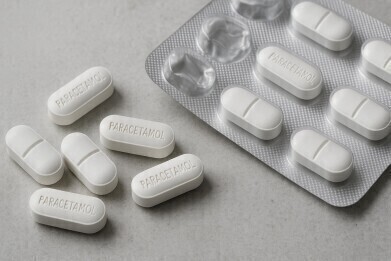
Bacteria transform plastic waste into paracetamol
Jul 07 2025
Paracetamol production could be revolutionised by the discovery that a common bacterium can turn everyday plastic waste into the painkiller, a study reveals
A team at the University of Edinburgh has developed a process that converts discarded plastic bottles into paracetamol with almost no carbon emissions, researchers report.
The method uses genetically engineered Escherichia coli – commonly known as E. coli – to transform terephthalic acid – a compound obtained from recycling polyethylene terephthalate (PET) – into acetaminophen, the active ingredient of the pain-killer in less than 24 hours. Conducted at room temperature in a fermentation vessel similar to those used in brewing, the reaction yielded paracetamol in 90% of cases.
Paracetamol is usually manufactured from dwindling fossil-fuel feedstocks, and the factories that produce it consume thousands of tonnes of crude-oil derivatives each year, contributing significantly to greenhouse-gas emissions. By contrast, the new biological route offers a low-emission alternative while helping to tackle the 350 million tonnes of PET waste generated annually worldwide.
“PET plastic is not merely waste destined to become more plastic – microorganisms can turn it into valuable products,” said Professor Stephen Wallace, UKRI Future Leaders Fellow and Chair of Chemical Biotechnology at the University of Edinburgh. “Our work shows that sustainable chemicals, including medicines, can be manufactured while reducing both waste and reliance on fossil fuels.”
The study, published in Nature Chemistry, was supported by an EPSRC CASE award and biopharmaceutical company AstraZeneca, working in partnership with Edinburgh Innovations. The team now aims to scale up the process to commercial levels.
Engineering biology is a strategic strength at the University of Edinburgh, which hosts the United Kingdom’s largest concentration of researchers in the field. Experts say the latest findings underscore the potential for integrating traditional chemistry with living “microbial factories” to build a circular economy and cut greenhouse-gas emissions.

Digital Edition
Lab Asia Dec 2025
December 2025
Chromatography Articles- Cutting-edge sample preparation tools help laboratories to stay ahead of the curveMass Spectrometry & Spectroscopy Articles- Unlocking the complexity of metabolomics: Pushi...
View all digital editions








Events
Jan 21 2026 Tokyo, Japan
Jan 28 2026 Tokyo, Japan
Jan 29 2026 New Delhi, India
Feb 07 2026 Boston, MA, USA
Asia Pharma Expo/Asia Lab Expo
Feb 12 2026 Dhaka, Bangladesh




