News
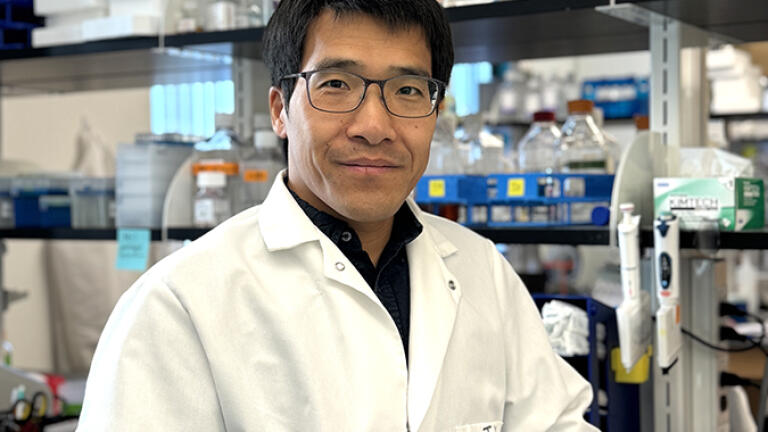
The Wistar Institute has appointed molecular biologist Jianliang Xu, PhD to its HIV Cure and Viral Diseases Center, adding deep expertise in antibody and nanobody engineering to its global infectious disease research efforts.
Xu’s work focuses on designing highly specialised antibodies and nanobodies - ultra-small antibody fragments that can be engineered alone or fused into powerful hybrid molecules. These tools offer new possibilities for tackling HIV and rapidly emerging viral threats, both as therapeutic agents and diagnostic technologies.
A trained immunologist with a background in molecular biology, Xu engineers antibodies by combining and optimising their binding properties to create chimeric molecules and nanobody cocktails. These next-generation tools are designed to be deployed quickly, an increasingly critical capability in responding to pandemics.
Xu’s scientific path began in cancer research, where he studied gene function during his PhD training. His interests shifted after encountering research on activation-induced deaminase (AID), an enzyme central to antibody diversity. That curiosity led him to contact Nobel laureate Dr Tasuku Honjo and transition into antibody research as a postdoctoral fellow at Kyoto University.
“My early work focused on understanding how the immune system generates such extraordinary antibody diversity,” said Xu. “That foundation naturally led me toward translational research and the development of nanobodies that can counter HIV, SARS-CoV-2, RSV, and other dangerous viruses such as Hantavirus and Henipavirus.”
At Wistar, Xu’s research will explore new strategies for combating HIV, including targeting the virus’s latent reservoirs - infected cells that evade conventional therapies. His work aligns closely with ongoing efforts at the institute to engineer CAR-T cells and natural killer (NK) cells capable of identifying and destroying HIV-infected cells.
“I was drawn to Wistar by the strength of its HIV research and its collaborative approach,” Xu said. “There is real potential to combine my nanobody platforms with existing cellular immunotherapy strategies to move closer to an HIV cure.”
Luis J. Montaner, D.V.M., D.Phil., Executive Vice President of The Wistar Institute and Director of the HIV Cure and Viral Diseases Center, said Xu’s arrival will accelerate antiviral innovation. “Jianliang brings an exceptional ability to design antibodies with real therapeutic potential. His work will not only advance HIV cure research but also provide a flexible platform for responding to future viral threats.”
Xu earned his PhD in Biochemistry and Molecular Biology from Nanjing University, followed by postdoctoral training at Kyoto University and the National Institutes of Health in the United States. Prior to joining Wistar, he served as assistant professor of Biology at Georgia State University.
More information online




.jpg)
-(2).jpg)