-
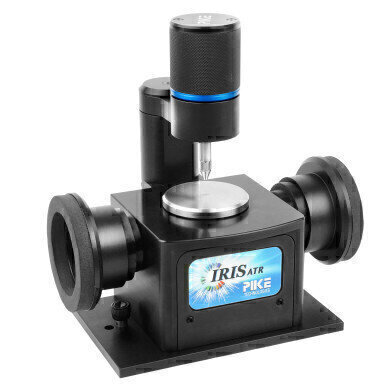 Figure 1. PIKE Technologies IRIS’ diamond ATR
 -
 and cellulose propionate co-polymer..jpg) Figure 2. ATR spectra of cellulose (upper) and cellulose propionate co-polymer.
Figure 2. ATR spectra of cellulose (upper) and cellulose propionate co-polymer.
Mass spectrometry & spectroscopy
Copolymer Identification by ATR/FT-IR Spectroscopy
Jul 03 2019
Introduction
Polymers are ubiquitous in the food, medical, and scientific industries. The ability to identify different polymers for QC/QA is a critical step required in many applications. Attenuated Total Reflection (ATR) is a popular sampling method for FT-IR analysis used to chemically identify or distinguish between polymer samples. Here we use the IRIS monolithic diamond ATR to analyse solid cellulose and cellulose propionate copolymer samples.
Experimental Methods
Polymer samples were obtained from Scientific Polymer Products Inc. Within the Polymer Sample Kit, pure cellulose and cellulose propionate copolymer samples correspond to Cat# 661 and Cat# 321, respectively. ATR background spectra were collected without any sample present. Pure cellulose and cellulose propionate copolymer transmittance spectra were collected under the same conditions using the IRIS monolithic diamond ATR accessory (Figure 1). All spectra were collected on a commercial FTIR spectrometer. Scans were acquired over 30 seconds at a resolution of 4 cm-1.
Results
The primary vibrational bands of pure cellulose are highlighted in Figure 2 by the vertical gray-lines. These bands are associated with the free –OH stretch (3335 cm-1), C–H stretch (2900 cm-1), and C–O primary-alcohol stretch (1025 cm-1).1 These vibrational bands are also present in cellulose propionate along with three large bands originating from the propionate substituent
marked by the vertical red-lines shown in Figure 2. The two higher frequency propionate bands are associated with the C–H stretch (2940 cm-1), C=O carbonyl stretch (1745 cm-1). At lower frequencies, the presence of a polarization-dependent set of bands show up corresponding to the perpendicular and parallel oriented C–C axial stretch occurring at 884 cm-1 and 806 cm-1, respectively.2
Conclusions
The IRIS monolithic diamond is an excellent ATR accessory for a wide range of samples including powders, gels, liquids, solids, and more. Specifically, IRIS’ QA/QC abilities have been shown by distinguishing cellulose from cellulose propionate copolymer. Spectral bands were identified for each polymer.
To learn more about The IRIS Diamond ATR, click here.
Visit PIKE Technologies
References
1. Garside, P., Wyeth, P. Studies in Conservation, 48(4), 269-275 (2003)
2. Nobukawa, S., et al. Polymer Journal, 47(4), 294-301 (2015)

Digital Edition
Lab Asia Dec 2025
December 2025
Chromatography Articles- Cutting-edge sample preparation tools help laboratories to stay ahead of the curveMass Spectrometry & Spectroscopy Articles- Unlocking the complexity of metabolomics: Pushi...
View all digital editions









Events
Jan 21 2026 Tokyo, Japan
Jan 28 2026 Tokyo, Japan
Jan 29 2026 New Delhi, India
Feb 07 2026 Boston, MA, USA
Asia Pharma Expo/Asia Lab Expo
Feb 12 2026 Dhaka, Bangladesh




