Laboratory products
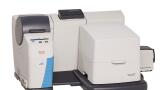
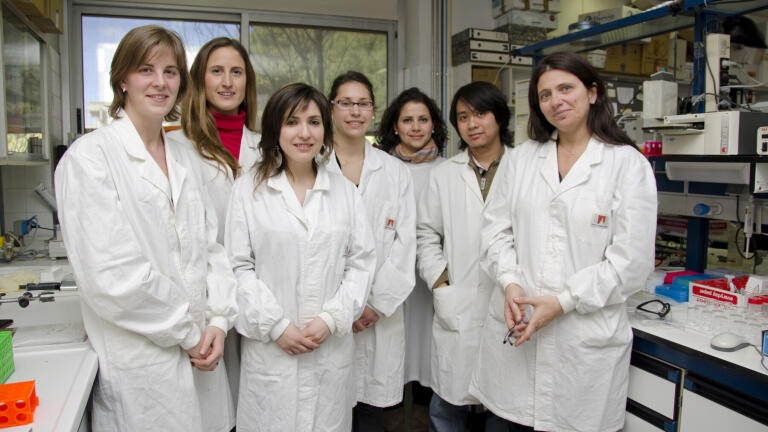
Researchers in the Sensors and Biosensors Group at the Universitat Autònoma de Barcelona, Spain, have taken advantage of Tecan’s Sunrise™ absorbance reader and Magellan™ V4.0 software to establish a novel magneto-ELISA for gliadin, a constituent of the cereal protein gluten important in Celiac disease, based on optical detection. Maria Isabel Pividori from the Sensors and Biosensors Group explained: “There is an increasing demand for rapid, simple and low cost techniques for accurate food analysis in decentralised analytical situations, and we have developed an electrochemical magneto immunosensor for the sensitive detection of gliadin – and small gliadin fragments – in natural or pretreated foods.”
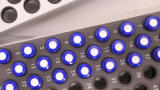
Maria Isabel continued: “To assess the performance of the electrochemical immunosensor, we compared it with a novel magneto-ELISA, using optical detection performed on the Sunrise plate reader. The ELISAs were performed in 96-well microplates, using a magnetic separation plate to isolate the supernatant before measuring the absorbance in the Sunrise reader. This enabled immunoassays to be performed in a variety of different formats for multiple applications – such as evaluating protein coupling to magnetic beads and nanoparticles – as well as allowing assessment of different transducer materials for biosensing purposes. It also provides us with a quick and easy way to optimise reagents and assay parameters, making the Sunrise ideal for research applications.”
Full details of this study can be found in: Laube T et al. Biosens Bioelectron, 2011, 27, 46-52.




.jpg)
-(2).jpg)