
Laboratory products
What is the ‘Living Drug’ for Cancer?
Sep 24 2017
How is cancer treated? Conventional options include surgery to remove cancerous tumours and chemotherapy to kill the cancerous cells. Surgery aims to remove cancerous tumours and the surrounding tissue, while chemotherapy is a non-invasive method which targets cancerous cells with a course of medicine.
The two can also be used together. For instance, doctors may use chemotherapy to shrink a tumour before attempting to remove it with surgery. However, scientists have now come up with a completely new method of treatment known as the ‘living drug’. Read on to see what it is and how it works.
Redesigning immune systems
The idea with the living drug is to use cells from the body to create a drug that can beat cancer. Taking a completely different approach, doctors are aiming to redesign each patient’s immune system so it can attack the disease itself. How? First, they have to extract white blood cells from the patient.
These cells then have their genetics reprogrammed to identify and eliminate cancerous cells, using a process known as CAR-T. Once complete, they are put back into the patient to seek out the cancerous cells and multiply. The therapy is now available in the US after a landmark decision by the US Food and Drug Administration to approve the treatment, but it doesn’t come cheap.
How much?
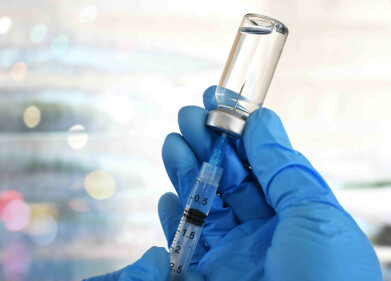
Novartis, the company behind ‘Kymriah’ is charging $475,000 for its therapy. So far, it boasts an 83% success rate for the 63 patients it has been used on. That’s an impressive 52 people in full remission three months after treatment.
Kymriah is only being used to treat acute lymphoblastic leukaemia at the moment. It’s been approved for use when – and only when – conventional treatments fail. This is because most patients do respond to conventional therapy.
A cancer breakthrough
Despite the attached price, and the fact it’s only being used for one form of cancer, Kymriah is an exciting development for scientists across the world. The potential of CAR-T as a tool goes way beyond leukemia. The fact that doctors have been able to treat any form of cancer with this technology shows a huge possibility for the future of cancer treatment.
Increasing precision
With new technologies – much like CAR-T – comes more precision and better results. That’s the case in all kinds of laboratory work. The article ‘Different Measuring Techniques Provide Different Results – But What is the Truth?’ explores the most efficient techniques when it comes to determining particle size distribution.

Digital Edition
Lab Asia Dec 2025
December 2025
Chromatography Articles- Cutting-edge sample preparation tools help laboratories to stay ahead of the curveMass Spectrometry & Spectroscopy Articles- Unlocking the complexity of metabolomics: Pushi...
View all digital editions









Events
Jan 21 2026 Tokyo, Japan
Jan 28 2026 Tokyo, Japan
Jan 29 2026 New Delhi, India
Feb 07 2026 Boston, MA, USA
Asia Pharma Expo/Asia Lab Expo
Feb 12 2026 Dhaka, Bangladesh




