Laboratory products
What Causes Teenage Acne?
Oct 26 2019
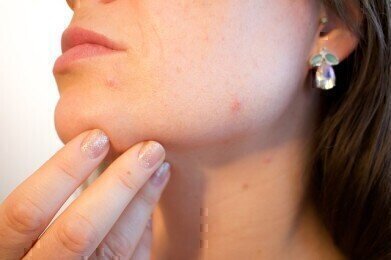
In a milestone study, a team of researchers from the University of Debrecen in Hungary are claiming that teenage acne could be a result of skin undergoing a natural, transitory inflammatory state. The team suggest that acne is triggered when maturing facial skin is exposed to sudden changes in microbiota milieu, as well as an increase in production of an oily substance called sebum.
The research challenges the popular belief that acne is a pathological condition, with the team arguing that new treatments should focus on rebalancing homeostasis between facial skin and the delicate microbial and chemical environments that influence the overall health of the complexion.
Researchers argue adolescent acne is "natural" and "unavoidable"
The research was published in the journal Trends in Immunology, with the authors arguing that adolescent acne is a natural, inevitable process. After analysing immunological and dermatological data, they hypothesise that acne is a natural inflammatory response to the changing skin conditions that come with adolescence, not a pathological skin disease as many dermatologists believe.
"The main take-home message is that, instead of considering acne as an accidentally occurring disease accompanied by pathological processes, we propose that acne is unavoidable inflammation precipitated by physiological changes of sebaceous skin during adolescence," says Andrea Szegedi, first author of the study and Professor in the Department of Dermatology at the University of Debrecen.
Rebalancing microbiota milieu
Szegedi and her team refer to research conducted on mice, which showed that rodents exposed to short-term encounters with new microbes experienced a spike in the of accumulation of T lymphocyte white blood cells, which produce the pro-inflammatory cytokines that can trigger acne.
For Szegedi, the results suggest that new research spotlighting acne should focus on how the skin condition spontaneously resolves itself. For most adolescents, acne presents for around five to 10 years, then usually clears up in the early twenties.
"We are convinced that this research will be highly instrumental for the development of new and innovative treatments for acne," says Szegedi. "Moreover, the mechanisms that initiate, amplify, resolve, or perpetuate acne might have common pathways with diseases that develop in other organ systems, and the knowledge gained on a broader scale on this front may help to better understand a variety of pathological conditions."
Want to know more about the latest pharmaceutical breakthroughs? Introducing innovative grinding technologies, 'The Importance of Comminution in Pharmaceutical Analysis' explores how modern mechanisms can benefit contemporary laboratories.


Digital Edition
Lab Asia Dec 2025
December 2025
Chromatography Articles- Cutting-edge sample preparation tools help laboratories to stay ahead of the curveMass Spectrometry & Spectroscopy Articles- Unlocking the complexity of metabolomics: Pushi...
View all digital editions









Events
Jan 21 2026 Tokyo, Japan
Jan 28 2026 Tokyo, Japan
Jan 29 2026 New Delhi, India
Feb 07 2026 Boston, MA, USA
Asia Pharma Expo/Asia Lab Expo
Feb 12 2026 Dhaka, Bangladesh




