
Laboratory products
What Are the Steps of Vaccine Development?
Apr 26 2020
With global cases of the coronavirus disease edging towards three million and more than 200,000 lives claimed, fast tracking a vaccination is front of mind for laboratories around the world. While nothing is guaranteed, experts are hopeful a vaccine for COVID-19 can be developed. The process involves several phases and can often require years of research and development, though in the case of COVID-19 scientists are hopeful a vaccine can be fast tracked.
Pre-clinical development
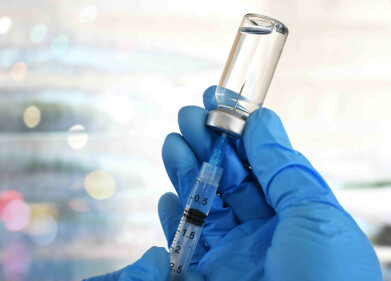
The first stage of vaccine development is pre-clinical development, which is carried out in laboratories and usually involves animal testing. Identifying relevant antigens is one of the major steps, with findings used to create an initial vaccine concept. The efficiency of the proposed vaccine is then analysed in both test tubes and on animals. If these steps are successful, the vaccine is produced in accordance with Good Manufacturing Practice (GMP) standards.
Clinical development
The next stage is clinical development, which sees the new vaccine tested on humans. This can often last for several years, though scientists hope development of a potential COVID-19 vaccine will be faster. Clinical trials usually start in Phase I and progress to Phase IV, also known as post-marketing surveillance. This is conducted after the vaccine has been marketed and distributed on a large scale. The clinical development stage is underpinned by strict safety and ethical principles, starting with the sourcing of consensual volunteers for Phase I. Phase II expands the scope of the clinical trials and assesses the effectiveness of the vaccine against simulated infections. Immune response and any potential side-effects are explored in this phase.
If advanced to Phase III clinical trials, a vaccine is tested on hundreds of participants across multiple locations, with the hope of evaluating efficiency against natural disease conditions. If all three phases are successful, the manufacturer can apply for a license to sell and market the vaccine for human use. Phase IV takes place after the vaccine has been distributed and explores any rare side effects, as well as long-term effectiveness.
The challenges of vaccine development
One of the major challenges of vaccine development is the extremely high costs. Only a small percentage of vaccines advance to the licensing stage, which means companies can often channel millions into research and development only to have the program terminated before it reaches the licensing stage. For this reason, companies often explore a range of different vaccines simultaneously.
From vaccine development to pharmaceuticals research, advanced laboratory equipment is at the forefront of scientific research. To find out more about the role and function of sterilisation devices, don't miss 'Energy Efficient Autoclaves - Misconceptions and Misunderstanding.
Digital Edition
Lab Asia Dec 2025
December 2025
Chromatography Articles- Cutting-edge sample preparation tools help laboratories to stay ahead of the curveMass Spectrometry & Spectroscopy Articles- Unlocking the complexity of metabolomics: Pushi...
View all digital editions









Events
Jan 21 2026 Tokyo, Japan
Jan 28 2026 Tokyo, Japan
Jan 29 2026 New Delhi, India
Feb 07 2026 Boston, MA, USA
Asia Pharma Expo/Asia Lab Expo
Feb 12 2026 Dhaka, Bangladesh




