
Laboratory products
What Are Extracellular Vesicles?
Dec 04 2020
New research from the Harvard John A. Paulson School of Engineering and Applied Sciences has uncovered the remarkable healing capabilities of extracellular vesicles (EVs), with scientists using a heart-on-a-chip model to demonstrate the powerful regenerative properties of the particles. For senior author of the study Kit Parker, the study is an exciting leap forward for cardiac research and could allow for the revival of cells following a heart attack. As well as reviving damaged cells, Parker says the research could also be used to support and oxygenate cells during cardiac arrest.
"Our findings indicate that EEVs could protect cardiac tissue from reoxygenation injury in part by supplementing the injured cells with proteins and signalling molecules that support different metabolic processes, paving the way for new therapeutic approaches," says co-author of the study André G. Kléber.
Tracking tissue contractions
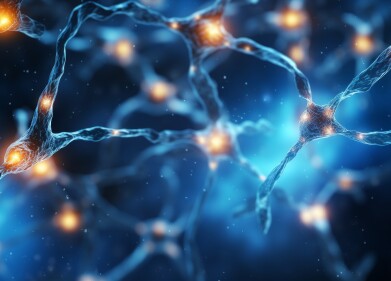
Made up of lipid bilayer-delimited particles, extracellular vesicles are nanometre sized messengers naturally released from cells. To unravel the regenerative properties of EVs the team used a specially designed heart-on-a-chip model embedded with sensors to track tissue contractions. They found that tissues treated with EVs were more resilient to high stress conditions and suffered from less cell death following oxygen deprivation.
The findings were published in the journal Science Translational Medicine, with Parker asserting "Our organ-on-chip technology has progressed to the point where we can now fight drug targets instead of fighting the chip design." A Professor of Bioengineering and Applied Physics, Parker explains, “With this study, we have mimicked a human disease on a chip with human cells and developed a novel therapeutic approach to treat it."
Protecting and reviving cardiac muscles
Heart attacks are triggered when blood flow to the organ is blocked. While restoring blood flow is an effective way to treat heart attacks the process can cause serious damage to cells, an issue known as ischemia-reperfusion injury (IRI). Parker and his team hypothesised that extracellular vesicles could be used to protect cardiac muscles, citing their protein-rich content and vascular tissue origins as a valuable property.
“Surprisingly, even though these vesicles are only a hundred and fifty nanometres in diameter, they contain almost 2,000 different proteins," explains Moran Yadid, first author of the paper. “A lot of these proteins relate to metabolic processes like respiration, mitochondrial function, signalling and homeostasis. In other words, a lot of processes that relate to the cardiac response to stress. So, rather than one molecule that is therapeutic, we think that the exosomes contain a cocktail of molecules and proteins that can, all together, help the cell maintain homeostasis, deal with the stress, modify metabolic action and reduce the amount of injury.”
The study builds on an existing body of research exploring the healing properties of EVs and their potential to treat everything from heart attacks to autoimmune diseases, tissue injuries and cancers. All research projects rely heavily on next-generation laboratory equipment. To find out more, don’t miss ‘Time to integrate: how advanced informatics enables automation, optimisation and compliance’ with insight from Dr Cheryl Moody Bartel on behalf of Thermo Fisher Scientific.
Digital Edition
Lab Asia Dec 2025
December 2025
Chromatography Articles- Cutting-edge sample preparation tools help laboratories to stay ahead of the curveMass Spectrometry & Spectroscopy Articles- Unlocking the complexity of metabolomics: Pushi...
View all digital editions










Events
Jan 21 2026 Tokyo, Japan
Jan 28 2026 Tokyo, Japan
Jan 29 2026 New Delhi, India
Feb 07 2026 Boston, MA, USA
Asia Pharma Expo/Asia Lab Expo
Feb 12 2026 Dhaka, Bangladesh




