
Laboratory products
Scientists Discover Food Impulsivity Circuit in the Brain
Jan 25 2020
In a new study from the University of Georgia, a team of researchers has discovered a connection between a certain brain circuit and food impulsivity. The scientists forecast that eventually, the research could be used to develop therapeutics that address overeating and tackle the obesity crisis.
The latest data from the NHS suggests that around one in four British adults are obese. While diets are one of the best ways to shed weight, they can often be hindered by food impulsivity, which sees the brain react without considering the consequences of an action. Smell can be a big trigger, though food impulsivity can occur at any time and with no external prompts.
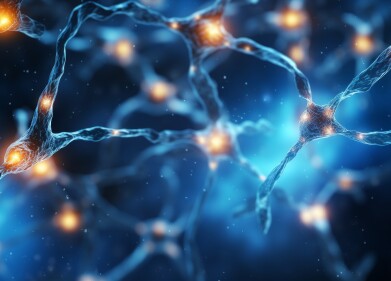
Brain circuit linked to chronic overeating
Now, new research from the University of Georgia has pinpointed a specific circuit in the brain linked to food impulsivity. The findings were published in the journal Nature Communications, with the team explaining how brain circuits heavily influence an individual's capacity to resist temptation and say no.
"There's underlying physiology in your brain that is regulating your capacity to say no to (impulsive eating)," says Emily Noble, lead author on the paper and assistant professor in the UGA College of Family and Consumer Sciences. "In experimental models, you can activate that circuitry and get a specific behavioural response."
Scientists prove MCH influences impulsive behaviour
To explore the connection, the team used a rat model to analyse a subset of brain cells that produce melanin concentrating hormone (MCH), a type of transmitter created in the hypothalamus region of the brain. While previous studies suggest that increasing MCH levels can heighten food consumption, this is the first study to prove that MCH also influences impulsive behaviour.
"We found that when we activate the cells in the brain that produce MCH, animals become more impulsive in their behaviour around food," says Noble.
To test the effect of MCH on impulsivity, the team trained rats to activate a lever to enjoy what Noble describes as a "delicious, high-fat, high-sugar" pellet. The rats were required to elapse 20 second intervals between activating the level and receiving another pellet. If they tried too soon, they were forced to wait another 20 seconds.
Using advanced techniques, Noble and her team activated a preidentified MCH neural pathway linking the hypothalamus to the hippocampus. The latter is associated with learning and memory retention. They discovered that while MCH didn't affect how much the animals enjoyed the pellets or how much energy they were willing to exert to receive them, the circuit did influence inhibitory control and hinder their ability to practice patience and wait 20 seconds before activating the level.
A step forward for obesity therapeutics
"Activating this specific pathway of MCH neurons increased impulsive behaviour without affecting normal eating for caloric need or motivation to consume delicious food," explains Noble. "Understanding that this circuit, which selectively affects food impulsivity, exists opens the door to the possibility that one day we might be able to develop therapeutics for overeating that help people stick to a diet without reducing normal appetite or making delicious foods less delicious."
Around the world, laboratories play a pivotal role in advancing medical research. For a closer look at the new enterprise-wide digital ecosystem being used to break down data barriers, accelerate innovation and drive revenue growth, don't miss 'Lab Informatics at the Centre of Digital Transformation Strategies,'
Digital Edition
Lab Asia Dec 2025
December 2025
Chromatography Articles- Cutting-edge sample preparation tools help laboratories to stay ahead of the curveMass Spectrometry & Spectroscopy Articles- Unlocking the complexity of metabolomics: Pushi...
View all digital editions






Events
Jan 21 2026 Tokyo, Japan
Jan 28 2026 Tokyo, Japan
Jan 29 2026 New Delhi, India
Feb 07 2026 Boston, MA, USA
Asia Pharma Expo/Asia Lab Expo
Feb 12 2026 Dhaka, Bangladesh