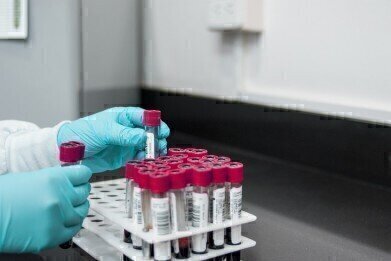
Laboratory products
How Has Drug Discovery Changed Over Time?
Mar 19 2021
The process of drug discovery and development in the UK and beyond is constantly being updated to include new innovations and technological breakthroughs. Even the last 10 years alone have seen huge leaps forward in our capabilities, meaning that we way we do things today is almost unrecognisable from how they would have been tackled a decade ago.
While some of the biggest drug discoveries in history were made almost by chance (Alexander Fleming’s discovery of penicillin, for example), today’s approach to drug discovery is methodical and regimented to a tee. Here are a handful of the most impactful innovations that have changed how drugs are being discovered and developed across the world today.
Stem cell technology and genome editing
Research into stem cells has intensified in the last few decades, enabling scientists to manufacture microtiter plate-based assays which have the capability to predict the toxicity of drugs in a real-world setting. That has been invaluable in helping to test compounds for their cardiotoxicity via the use of cardiomyocytes developed in a laboratory setting.
This, coupled with more sophisticated techniques of genome editing, means that researchers can alter DNA chains with remarkable precision, thereby generating cells to aid in the development of resistance to disease. And with genome sequencing now possible for under $1,000, the technology is available to even those companies and institutions with more modest budgets, as well.
Oncological understanding
Given that cancer is responsible for one in every six deaths, it’s only logical that considerable resources have been devoted to oncological research over the years. Thankfully, it appears that headway is finally being made in the struggle to overcome this deadly killer, with the development of immunotherapies a key component of the breakthrough against cancer.
Meanwhile, advances in analytical proteomics technology have also prompted a rethink in oncological drug discovery techniques, opening up new avenues of research. Through cross-collaboration between universities and other research institutions, it’s hoped that we can continue to expand our knowledge of how to beat cancer and save countless lives in the process.
Automation and AI
The advent of artificial intelligence and machine learning has been revolutionary for the pharmaceutical industry. In particular, automating the multi-omics workflows for drug discovery and toxicology has been a special area of focus, delegating many repetitive lab tasks to a robot and allowing the human researchers to devote their energies to more intellectual, stimulating and rewarding pursuits.
The introduction of automation in the world of drug discovery and development has held other benefits, too. Margins for error have been greatly reduced, while the standardisation of protocols, data collection and data storage methods makes for enhanced reliability and improved accessibility of results, leading to greater reproducibility of experiments and expedited processes.
Digital Edition
Lab Asia Dec 2025
December 2025
Chromatography Articles- Cutting-edge sample preparation tools help laboratories to stay ahead of the curveMass Spectrometry & Spectroscopy Articles- Unlocking the complexity of metabolomics: Pushi...
View all digital editions








Events
Jan 21 2026 Tokyo, Japan
Jan 28 2026 Tokyo, Japan
Jan 29 2026 New Delhi, India
Feb 07 2026 Boston, MA, USA
Asia Pharma Expo/Asia Lab Expo
Feb 12 2026 Dhaka, Bangladesh




