
Laboratory products
How Does COVID-19 Cause a Loss of Smell?
Aug 14 2020
Research from the Harvard Medical School (HMS) has shed new light on the non-respiratory effects of COVID-19, including loss of smell. Led by an international team of scientists, the study explored how the novel coronavirus disease attacks olfactory support cells and causes anosmia, one of the most common early neurological symptoms seen in patients with COVID-19.
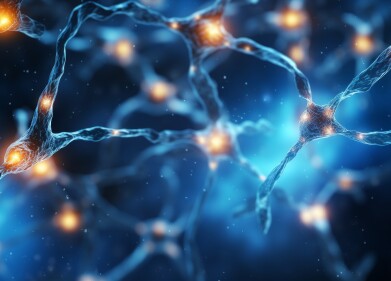
Interestingly, sensory neurons used by the olfactory system to detect smells and transmit information to the brain were not affected by the disease. Instead, the team say the temporary loss of smell associated with COVID-19 is triggered by compromised support cells.
Anosmia a key indicator of COVID-19
While the underlying mechanisms are unclear, research suggests anosmia is a better indicator of the disease than other symptoms such as a dry cough and fever. An analysis of electronic health records revealed that while COVID-19 patients are around 2.5 times more likely to experience a fever, cough or respiratory issue than their non-infected counterparts, they’re 27 times more likely to experience anosmia.
Datta and the team used single-cell sequencing datasets to investigate which cell types are most vulnerable to SARS-CoV-2 infection. They pinpointed ACE2, a protein commonly found on human respiratory tract cells. ACE2 also encodes the main receptor protein used by the SARS-CoV-2 virus to infiltrate human cells.
Compromised support cells
The findings were reported in the journal Science Advances, with senior study author Sandeep Robert Datta explaining how olfactory sensory neurons don’t share the gene that allows SARS-CoV-2 to enter human cells via the ACE2 receptor protein. However, ACE2 is expressed in the support cells that bolster olfactory sensory neurons. As a result, they’re prone to infection by SARS-CoV-2 which can trigger the loss of smell experienced by many patients.
"Our findings indicate that the novel coronavirus changes the sense of smell in patients not by directly infecting neurons but by affecting the function of supporting cells," says Datta, an associate professor of neurobiology in the Blavatnik Institute at HMS. “I think it's good news, because once the infection clears, olfactory neurons don't appear to need to be replaced or rebuilt from scratch,” he adds. “But we need more data and a better understanding of the underlying mechanisms to confirm this conclusion.”
The findings not only explore the warning signs of COVID-19 and potential for scent-based diagnostics, but also offer new insight into the neurological issues associated with the disease. From Harvard Medical School to Johns Hopkins University, application-oriented laboratory instruments are fundamental to advancing scientific research. Find out more about the latest static light scattering technologies in ‘Particle Measurement by Laser Diffraction.
Digital Edition
Lab Asia Dec 2025
December 2025
Chromatography Articles- Cutting-edge sample preparation tools help laboratories to stay ahead of the curveMass Spectrometry & Spectroscopy Articles- Unlocking the complexity of metabolomics: Pushi...
View all digital editions









Events
Jan 21 2026 Tokyo, Japan
Jan 28 2026 Tokyo, Japan
Jan 29 2026 New Delhi, India
Feb 07 2026 Boston, MA, USA
Asia Pharma Expo/Asia Lab Expo
Feb 12 2026 Dhaka, Bangladesh




