Laboratory products
How Do Energy Drinks Affect Your Heart?
Jun 22 2019
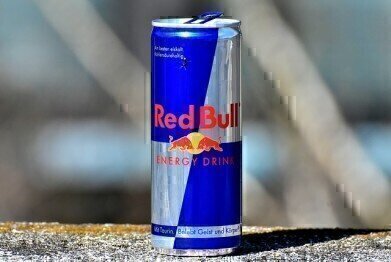
While caffeine is often blamed for the racing heartbeat that can come after consuming energy drinks, a new study published in the Journal of the American Heart Association suggests that the dangerous side effect could be triggered by an amino acid called taurine, as well as the presence of B vitamins.
In a statement, study co-author Sachin Shah asserts, “We found an association between consuming energy drinks and changes in QT intervals and blood pressure that cannot be attributed to caffeine.
High-caffeine energy drinks linked to arrhythmia
Associated with extreme sports and endorsed by professional athletes, high-sugary energy drinks have gained immense popularity over the past decade. It's no secret that they're laced with caffeine, with some energy drinks such as 5-Hour Energy Extra Strength containing more than 300 milligrams of caffeine per fluid ounce. According to researchers, consuming a single energy drink can disrupt the heartbeat and aggravate conditions such as arrhythmia, as well as other fatal heart conditions.
“Energy drinks are readily accessible and commonly consumed by a large number of teens and young adults, including college students. Understanding how these drinks affect the heart is extremely important,” maintains Kate O’Dell, study co-author.
The dangers of abnormal QT intervals
To explore the dangers of energy beverages, the team distributed 32 ounces of two commercial energy drinks, as well as placebos, to 34 people. An electrocardiogram was used to record electrical activity in the heart over the following four hours. The team found that the "buzz" associated with energy drinks significantly increases the QT interval of the heart, i.e. the time taken for vascular ventricles in the lower chambers to undergo an electrical reset and prepare the heart for its next beat. If the interval is too long or short, it can cause abnormal and potentially life-threatening arrhythmia. After four hours, the QT intervals of participants who consumed energy drinks were up to 7.7 milliseconds higher.
The team muse that while caffeine is a known stimulant, the cocktail of taurine and B vitamins could play a role in increasing QT intervals. "We urgently need to investigate the particular ingredient or combination of ingredients in different types of energy drinks that might explain the findings seen in our clinical trial," adds Shah.
Want to know more about how scientists analyse food and beverage samples? 'The importance of fine grinding for analysis within the life science industry' spotlights the benefits of a centrifugal mill.

Digital Edition
Lab Asia Dec 2025
December 2025
Chromatography Articles- Cutting-edge sample preparation tools help laboratories to stay ahead of the curveMass Spectrometry & Spectroscopy Articles- Unlocking the complexity of metabolomics: Pushi...
View all digital editions










Events
Jan 21 2026 Tokyo, Japan
Jan 28 2026 Tokyo, Japan
Jan 29 2026 New Delhi, India
Feb 07 2026 Boston, MA, USA
Asia Pharma Expo/Asia Lab Expo
Feb 12 2026 Dhaka, Bangladesh




