Laboratory products
Can Designer Peptides Block Viruses?
Jul 29 2020
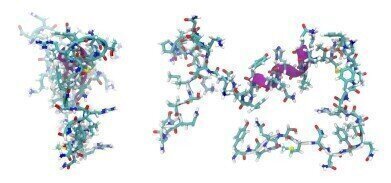
New research from the Rensselaer Polytechnic Institute (RPI) suggests designer peptides could have the capacity to bind to cells and block viruses. The team investigated the potential of chemically engineered peptides developed in the RPI laboratory, with co-lead author of the study Pankaj Karande saying the findings could help combat some of the most challenging human health issues, including the COVID-19 pandemic.
Developing chemically engineered peptides
When chemically engineered, the peptides can selectively bind to polysialic acid (PSA) carbohydrate polymers, which play an important role in disease progression in human cells. The findings were published in the journal Nature Scientific Reports, with Karande explaining how the study has laid the cornerstone for further research exploring how peptides can be used to develop therapeutic treatments for diseases such as Parkinson's, Alzheimer's and cancer. The study also investigates the potential to form protective barriers between viruses and cells, which could help treat fatal strains such as the SARS-CoV-2 virus.
“Because these peptides bind to PSA, they also mask PSA, and could potentially be used to inhibit the binding of viruses and their entry into cells," says Karande, who works as an associate professor of chemical engineering at RPI. “The idea is to see if these peptides could inhibit that interaction and therefore inhibit the infectivity of those viruses.”
Drawing inspiration from nature
Karande says the team were inspired by naturally occurring cell surface proteins called Sialic acid-binding immunoglobulin-type lectins. Also known as Siglecs, they actively bind to PSA. Divya Shastry, co-lead author of the study and former doctoral student in biological sciences at RPI says the team worked with researchers at Syracuse University to gain a molecular-level view of the chemically engineered peptides using computational modeling.
“These significant and promising research advances are a prime example of how a collaborative approach can solve persistent human health challenges,” says Deepak Vashishth, director of the Center for Biotechnology and Interdisciplinary Studies (CBIS) at RPI.
In the race to find a vaccine or treatment for SARS-CoV-2, the study contributes exciting new insight into the potential of peptide inhibitors.
State-of-the-art equipment plays a central role in supporting scientific research. To find out more about the latest Dynamic Light Scattering (DLS) technologies used in laboratories around the world, don’t miss ‘Optimising DLS Measurements for Protein Characterisation’ with insight grom Carlo Dessy and Dr. Daniel Seeman on behalf of Testa Analytical Solutions e.K.


Digital Edition
Lab Asia Dec 2025
December 2025
Chromatography Articles- Cutting-edge sample preparation tools help laboratories to stay ahead of the curveMass Spectrometry & Spectroscopy Articles- Unlocking the complexity of metabolomics: Pushi...
View all digital editions









Events
Jan 21 2026 Tokyo, Japan
Jan 28 2026 Tokyo, Japan
Jan 29 2026 New Delhi, India
Feb 07 2026 Boston, MA, USA
Asia Pharma Expo/Asia Lab Expo
Feb 12 2026 Dhaka, Bangladesh




