Laboratory products
The London 2012 anti-doping laboratory is to be developed into a world-class research facility, according to officials, who say the new lab could help revolutionise healthcare.
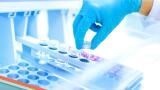
GlaxoSmithKline (GSK) funded the lab, which was built in Harlow, Essex, to process the 6,000 blood and urine samples that will be provided by the Olympics Committee. In line with Olympics sustainability goals, the lab will be turned into a so-called Phenome Centre for scientists seeking to develop better and more targeted medical treatments.
Universities and other research institutions will have access to the facilities after the Games, and funding will be provided by the government's Medical Research Council (MRC). Taking advantage of current research facilities, scientists will analyse the phoneme patterns of patients and volunteers through blood and urine samples which can be processed very rapidly.
John Savill, chief executive of the MRC said: "The GSK drug-testing facility... has taken one of the major challenges associated with this type of research - achieving high-throughput alongside forensic quality control - to a new level, unprecedented anywhere in the world.
"Rather than losing this investment once the Games are over, the collaboration... will provide a unique resource that will ultimately result in benefits for patients."
The centre will be the first of its kind in the world and would help scientists explore the characteristics of disease to aid the development of new drugs and treatments, Savill added. Phermone changes constantly and can be influenced by a number of different factors, which is what makes this such a promising area of research.
Research at the facility will be concentrated on biomarkers, which give clues as to why one person or population can be more susceptible to disease than another. Britain's health minister Andrew Lansley said developments from the centre could lead to novel treatments for common diseases such as diabetes, heart disease and dementia.
"Patients will benefit from faster and more accurate diagnosis and researchers will be able to develop new drugs and treatments as we understand more about the characteristics of diseases and new sub-types of diseases are discovered," he said in a statement.
Posted by Neil Clark


.jpg)
-(2).jpg)