Laboratory products
According to a new study published a point-of-care blood test measuring Neutrophil Gelatinase-Associated Lipocalin (NGAL) in patients admitted to the hospital with acutely decompensated heart failure (HF) may help identify which patients are at risk of experiencing adverse, heart failure related events after discharge. The multi-centre, prospective study included five medical centres in the United States and Europe. Blood specimens collected at hospital discharge
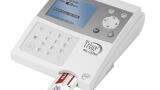
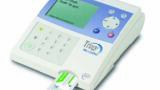
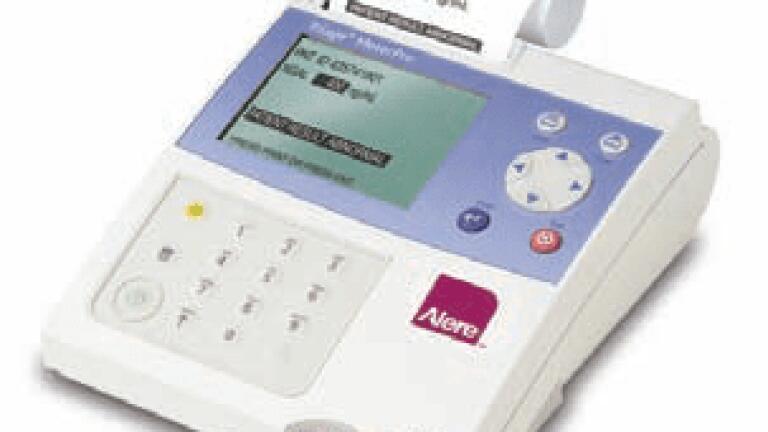
were measured for NGAL using the Alere Triage® NGAL Test.
Heart failure is often associated with dysfunction of both the heart and kidneys. While previous studies have demonstrated plasma NGAL’s utility in predicting and identifying acute kidney injury (AKI), as well as assessing its severity, the extent to which plasma NGAL levels can provide information that helps identify heart failure patients at risk for hospital readmission or death has been unknown up to this point. If plasma NGAL could aid in the recognition of underlying kidney injury in heart failure patients at discharge, this might allow for management decisions aimed at preserving renal function and preventing readmissions. This study, led by Dr Alan Maisel of the San Diego Veterans
Affairs Medical Centre and Dr Dirk J. van Velhuisen of the University Medical Centre Groningen in the Netherlands, attempted to determine if a simple, point-of-care blood test performed at the time of discharge could aid clinicians in indentifying heart failure patients at high risk for readmission. If so, these patients could then be targeted for more intensive follow-up treatment in the clinic - a protocol that might reduce their likelihood for readmission and the associated healthcare costs.
Plasma NGAL was measured in 194 patients at the time of discharge using the Alere® Triage NGAL
Test. BNP, a widely recognised marker for adverse heart failure related outcomes, was also measured
along with other markers of kidney function. Patients were then followed for 30 days in order to
record heart failure related readmissions and deaths. The results of this study showed that plasma
NGAL was the only renal marker to significantly predict 30-day heart failure related outcomes.
Furthermore, plasma NGAL was found to be substantially superior to such conventional measures of
renal function as serum creatinine and eGFR. When used at the point of care, the Alere Triage® NGAL
test has been shown to provide critical data that may help clinicians detect AKI early, assess disease
severity, predict recovered renal function, and, with this new study, identify HF patients at risk for
readmission or death at the time of discharge.



.jpg)
-(2).jpg)