-
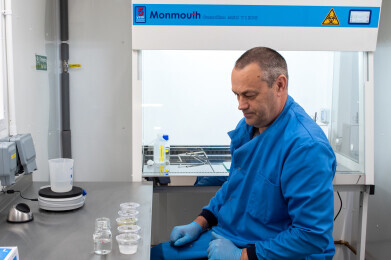 A Monmouth Scientific Class 2 Biological Safety Cabinet in action at the National Trust Plant Conservation Centre.
Lab safety
Class 2 BSC drives success in plant conservation
Nov 06 2025
Protecting rare plants with precision lab propagation
At the National Trust’s Plant Conservation Centre (PCC), protecting the UK’s rare and endangered plants requires a blend of expertise, precision, and the right technology. To ensure the survival of some of the nation’s most fragile species, staff are now using a Monmouth Scientific Class 2 Biological Safety Cabinet. This specialised equipment allows delicate plant tissues to be propagated in completely sterile conditions, safeguarding both the plants and the people caring for them.
Propagation at the PCC is both art and science. Working with species on the edge of extinction means every step must be carefully controlled. Techniques such as tissue culture and grafting, where buds, meristems, or leaf sections are grown under laboratory conditions, are highly sensitive to contamination. Even minor errors can compromise weeks or months of painstaking work, making the environment in which these plants are handled just as important as the expertise of the staff.
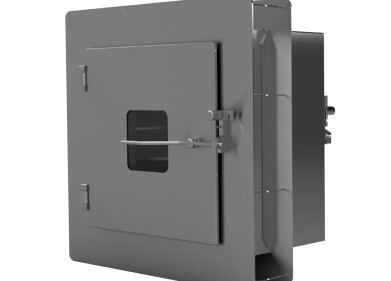
The Class 2 cabinet provides a controlled workspace that protects plant material, personnel, and the wider environment simultaneously. Inward airflow ensures staff are shielded from exposure to biological material, while sterile laminar airflow prevents contamination of sensitive samples. Exhaust air is filtered, maintaining the safety and integrity of the laboratory. Integrated into the PCC’s rigorous biosecurity protocols, the cabinet underpins key conservation practices, from quarantining newly acquired specimens to enhancing hygiene across all laboratory processes.
Since its installation, the PCC has seen measurable improvements. Propagation rates have increased thanks to reduced contamination, while staff can work with confidence knowing their safety is assured. Repeatable workflows have boosted efficiency, allowing the centre to accelerate conservation efforts and focus on critical projects such as maintaining seed and tissue banks, supporting species reintroduction, and collaborating with universities and research institutes.
“The Monmouth Scientific Class 2 is now fundamental to our work,” says Chris Trimmer, PCC Manager. “It allows us to carry out delicate propagation safely and efficiently, and the team at Monmouth Scientific were fantastic in supporting the installation and integration.”
By combining horticultural expertise with advanced laboratory technology, the PCC and Monmouth Scientific are creating a sterile haven where some of the UK’s rarest plants can thrive. From laboratory benches to rewilded landscapes, each successfully propagated specimen represents a vital step in protecting the country’s botanical heritage for future generations.
More information online
.jpg)
-(1).jpg)
Digital Edition
Lab Asia Dec 2025
December 2025
Chromatography Articles- Cutting-edge sample preparation tools help laboratories to stay ahead of the curveMass Spectrometry & Spectroscopy Articles- Unlocking the complexity of metabolomics: Pushi...
View all digital editions










Events
Jan 21 2026 Tokyo, Japan
Jan 28 2026 Tokyo, Japan
Jan 29 2026 New Delhi, India
Feb 07 2026 Boston, MA, USA
Asia Pharma Expo/Asia Lab Expo
Feb 12 2026 Dhaka, Bangladesh




