Company news
PathoPlex tech maps protein patterns to detect kidney stress in type 2 diabetes
Sep 09 2025
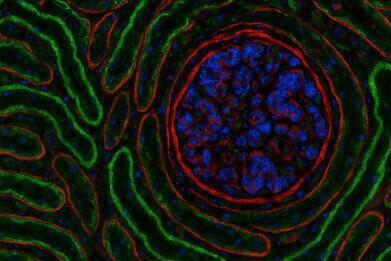
A global research team has reported a novel technology, pathology-oriented multiplexing (PathoPlex), that maps the location of proteins inside human cells with organ-scale scope. In work published in *Nature*, the investigators have profiled more than 140 proteins across at least 40 biopsy specimens to chart disease-specific protein architectures in complex tissues, including kidneys affected by diabetes.
Each organ comprises distinct cell types arranged in characteristic spatial patterns that enable protein interactions essential to function, from nutrient and waste processing in liver and kidney to neuronal signalling in brain. Disruption to protein abundance or distribution can drive disease. By improving knowledge of protein organisation in situ, PathoPlex aims to guide treatment selection and to limit symptoms.
Conventional immunofluorescence can visualise target proteins with antibodies that bind to specific epitopes and emit light under a microscope. Progress at the scale of whole organs has stalled because high-quality, comprehensive antibody panels have remained scarce. PathoPlex addresses this gap by merging serial images from multiple antibody stains and by applying software that interprets cross-tissue patterns, thereby generating multiplexed maps that retain cellular context. The team optimised the system to quantify more than 140 proteins from at least 40 human biopsies.
“PathoPlex paves the way towards understanding and imaging complex tissues in human diseases like diabetes,” said Matthias Kretzler, professor of internal medicine and member of the Caswell Diabetes Institute at the University of Michigan, Ann Arbor, who took part in the study.
“We can finally develop atlases that describe changes in protein functions and how to improve them with novel treatments,” said Kretzler.
As a proof of concept, the researchers analysed kidney biopsies from people with diabetic kidney disease and linked protein expression patterns to organ dysfunction. They also identified signatures that marked healthy cellular neighbourhoods and patterns that associated with injury. Crucially, PathoPlex has revealed cell-level stress responses in people with type 2 diabetes before clinical evidence of kidney disease, indicating potential to detect vulnerability at an earlier stage.
The platform’s readouts have assessed likely responses to specific drug classes, which suggests an ability to accelerate diagnosis and to inform treatment choice for patients.
For further reading please visit: 10.1038/s41586-025-09225-2




Digital Edition
Lab Asia Dec 2025
December 2025
Chromatography Articles- Cutting-edge sample preparation tools help laboratories to stay ahead of the curveMass Spectrometry & Spectroscopy Articles- Unlocking the complexity of metabolomics: Pushi...
View all digital editions









Events
Jan 21 2026 Tokyo, Japan
Jan 28 2026 Tokyo, Japan
Jan 29 2026 New Delhi, India
Feb 07 2026 Boston, MA, USA
Asia Pharma Expo/Asia Lab Expo
Feb 12 2026 Dhaka, Bangladesh




