-
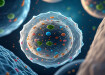
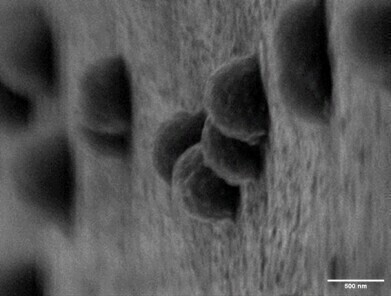 Electron microscope images of the copper oxide nanoparticles. Credit Nottingham Trent University
 -
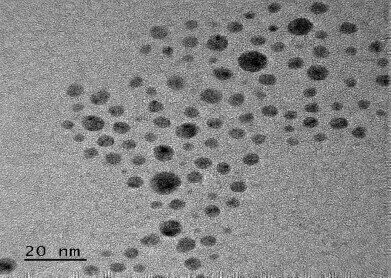 Electron microscope images of the copper oxide nanoparticles. Credit Nottingham Trent University
Research news
Copper nanotech coating could make implants infection-proof
Feb 28 2025
Researchers at Nottingham Trent University have developed an antimicrobial coating using copper oxide nanoparticles, offering a potential breakthrough in infection prevention for implanted medical devices. By integrating these nanoparticles into materials like silicone, stainless steel, and titanium, the team aims to reduce post-surgical infections and combat antibiotic resistance.
The study [1] demonstrated that both dip and spray coating methods effectively inhibited clinically significant bacteria, including drug-resistant strains, while remaining non-toxic to human cells. Given the growing concerns over antibiotic resistance, the researchers believe this technology could play a crucial role in safeguarding patients from implant-related infections.
Copper has long been recognised for its antimicrobial properties and is now being explored as an alternative to silver, which is prone to oxidation, reducing its effectiveness over time. With millions of medical implants placed globally each year - from cardiovascular stents to orthopaedic devices - the need for infection-resistant materials has never been more urgent.
Dr Samantha McLean, Associate Professor of Infection Prevention and Control at Nottingham Trent University, explained the importance of alternatives to antibiotics: “The widespread use of antibiotics has led to a crisis in resistance. Developing antimicrobial coatings for medical devices could significantly reduce infection rates and improve patient outcomes,” she said.
D. Gareth Cave, Head of the Nanoscience and Drug Delivery Group, highlighted the versatility of the new coating. “Our method can be applied during manufacturing or as a post-production enhancement, making it a flexible solution for medical devices,” he explained.
Dr Jim Hall, a Research Radiographer in Magnetic Resonance Imaging at Nottingham Trent University, added: “By integrating physics, chemistry, and biology, we can develop innovative strategies to address this pressing challenge.”
More information online
1. Published in the journal Nanomaterials


Digital Edition
Lab Asia Dec 2025
December 2025
Chromatography Articles- Cutting-edge sample preparation tools help laboratories to stay ahead of the curveMass Spectrometry & Spectroscopy Articles- Unlocking the complexity of metabolomics: Pushi...
View all digital editions








Events
Jan 21 2026 Tokyo, Japan
Jan 28 2026 Tokyo, Japan
Jan 29 2026 New Delhi, India
Feb 07 2026 Boston, MA, USA
Asia Pharma Expo/Asia Lab Expo
Feb 12 2026 Dhaka, Bangladesh




