Laboratory products
Neogen (UK) has developed a quicker and easier method to rapidly and accurately detect lactic acid-producing microorganisms in food products.
Neogen’s new Soleris DLA-109 vial detects lactic acid microorganisms in as little as 48 hours, depending on the commodity. Alternative methods take up to five days. Neogen’s new test also requires about half the technician preparation time of the older methodology.
“The development of our new direct Soleris test for lactic acid bacteria continues our initiative to upgrade more of our Soleris product line to the quicker, easier, and more consistent direct vial format,” said Neogen’s Dr Janice McGregor. “If you’re using our vial-in-vial format for lactic acid bacteria that detects changing carbon dioxide levels, I would suggest that you convert to the new direct test. If your lab is using our red or green lactic acid bacteria tests that detect shifts in pH, you should consider evaluating the new test for faster detection, depending on the product matrix and organisms of concern. If your lab is not using Soleris at all, I suggest you give it a try to see just how fast and easy microbial testing can be.”
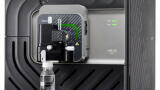
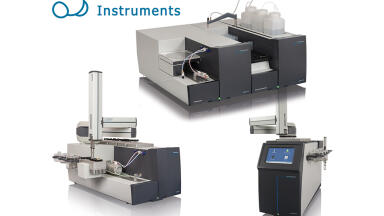
The new test is a Soleris direct vial system that consists of a detection chamber containing carbon dioxide indicators separated by a barrier layer from a chamber containing a growth medium and the sample.
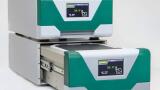
The Soleris system is a rapid optical method for the detection of microbial contamination based on an innovative application of classic microbiology. Soleris enables operators to release products quicker, saving the organisation inventory costs, and allows operators to easily identify, monitor, and map problematic spots in their facilities.
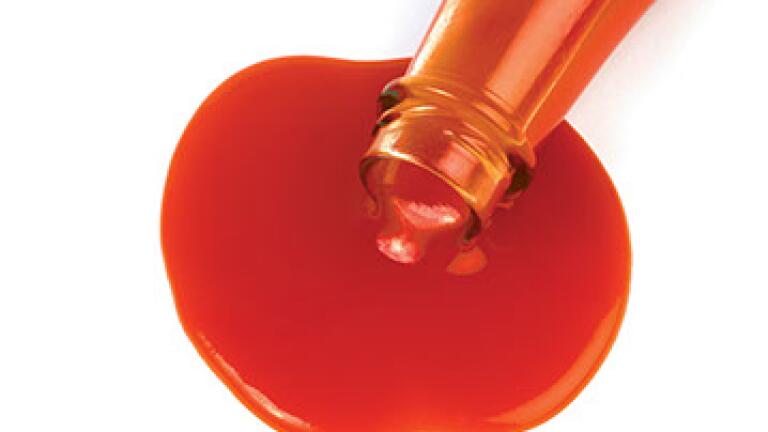
Lactic acid bacteria are a major concern in the dressings and sauces industry as these organisms can reduce shelf life and contribute to poor quality. Traditional methods for detection require long holding times and are labour-intensive, often requiring a trained microbiologist. In addition, plating and counting methods can be difficult to interpret when dealing with heavily coloured products, or those containing food particulates.



.jpg)
-(2).jpg)