Laboratory products
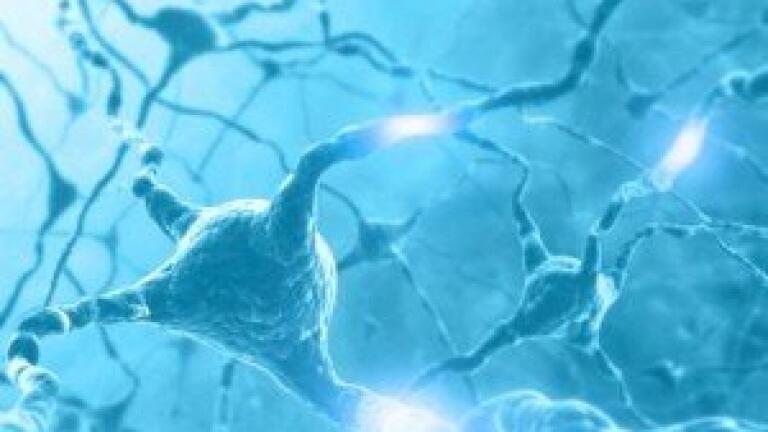
German scientists have found a way to generate new neurons from adult brain cells.
This discovery could be a step towards new treatments for neurodegenerative diseases such as Alzheimer's, according to research released today (October 5th) in the journal Cell Stem Cell.
In the past, it was believed that once brain cells were lost, they were irreplaceable. However, recent scientific advances have enabled scientists to create new nerve cells in the laboratory.
Researchers are now able to alter adult cells, such as skin cells, into stem cells – which can then be utilised to produce other cell types, including neurons.
The biggest challenge for the experts is to try to reproduce this conversion method inside the brain, as opposed to in the lab.
Scientists took brain cells from pieces of human brain that had previously been removed during a surgical procedure. They then grew these samples in the laboratory.
The bulk of sample cells grown were pericytes. Pericytes are brain cells that wrap around blood vessels to aid their function.
In order to transform the pericytes into nerve cells, the team utilised two proteins called Mash1 and Sox2.
Mash1 and Sox2 have powerful effects on cells, organising the expression of huge numbers of nerve-specific genes.
The experts found that after driving the action of Mash1 and Sox2 in the cells, the pericytes started to lose their identity, displaying additional features characteristic of nerve cells.
A trait crucial for nerve cells to communicate signals across the brain and to the body is the ability to generate electrical impulses. The newly created cells could do this.
Dr Simon Ridley, head of research at Alzheimer’s Research UK explained that the loss of nerve cells in the brain is one of the harshest features of diseases like Alzheimer’s.
This study confronts the view that these cells can’t be regenerated after they have been lost. Generating nerve cells in the lab can be a fundamental tool for understanding the disease, however there is still "a long way to go before regenerative therapies could be applicable to Alzheimer's", said the doctor.
Posted by Neil Clark

.jpg)
-(2).jpg)