Laboratory products
Scientists have successfully completed four implants of lab-grown vaginas into patients that have a rare condition that means they were born without the organ.
The procedures, which were carried out between 2005 and 2008, have proved to be long-term successes for all four patients, who were aged between 13 and 18 at the time of the operation. The study, which found that all participants were able to become sexually active without any discomfort, is the first time that vaginas grown from the patient’s own cells have been implanted.
The four women were diagnosed with a rare condition called Mayer-Rokitansky-Kuster-Hauser (MRKH) syndrome, which affects one in every 5,000 women, and means that they were born without a vagina, cervix, or womb.
Experts behind the procedure said it was superior to existing reconstructive methods. Current treatments include stretching the small amount of vaginal tissue present, meaning that women are able to have sex without any discomfort but wouldn't be able to get pregnant.
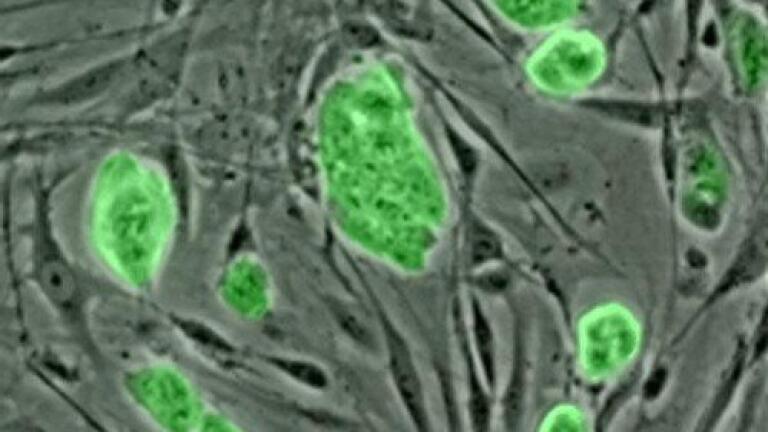
The study, conducted by researchers at Wake Forest University in the US and Hospital Infantil de México Federico Gómez, saw the four patients undergo a biopsy to remove tissue from the vulva. These cells were then taken to the lab, where they were placed on a biodegradable, vagina-shaped “scaffold”, hand-sewn and made for each individual person.
These were then left to grow and surgically implanted into each participant leading to
the growth of nerves and blood vessels, which form tissue. As the biodegradable material is absorbed by the body, the cells form a permanent organ.
All patients have reported normal sexual function and no pain up to eight years after the operation. As women born with MHRK do not have a developed womb, they are unable to get pregnant but they do produce eggs, this means that IVF treatment is a viable option.
Professor Anthony Atala of the Wake School of Medicine, who led the research, said: “This technique is a viable option for vaginal reconstruction and has several advantages over current reconstructive methods because only a small biopsy of tissue is required and using vaginal cells may reduce complications that arise from using non-vaginal tissue, such as infection.”
Engineering organs for transplant from a patient's own tissue is a growing field, which some experts believe could one day replace the need for organ donors.

.jpg)
-(2).jpg)