Microscopy & microtechniques
Researchers at the University of Basel have developed a microscopic testing approach that measures whether antibiotics truly kill bacterial pathogens rather than merely halt their growth, with implications for tuberculosis and other hard-to-treat infections
Researchers at the University of Basel, Switzerland, have reported a novel laboratory method that assesses how effectively antibiotics kill bacteria at the level of individual cells, addressing a long-standing gap in how antimicrobial drugs are evaluated. The work has focused on infections in which treatment success depends not only on growth inhibition but on the complete elimination of pathogens from the body.
Antibiotics have historically been assessed according to their ability to inhibit bacterial growth under controlled laboratory conditions. While this measure has provided a practical standard for drug comparison, it has not always reflected what occurs during infection. A central concern has been whether an active substance can kill bacteria outright, particularly in clinical settings where pathogens may persist in altered physiological states.
Antibiotic-resistant bacteria remain one of the most pressing challenges in modern medicine. Genetic mutations have enabled many bacterial species to resist commonly used drugs, which has made infections increasingly difficult to treat. Even in the absence of classical resistance, bacteria can sometimes survive antibiotic exposure by entering a dormant state.
In this dormant condition, cells stop dividing but avoid death, which allows them to resume growth once treatment ends. This phenomenon has proved especially problematic in tuberculosis (TB) and other complex infections that require therapy over many months, where if there is failure to sterilise, the infection can lead to relapse.
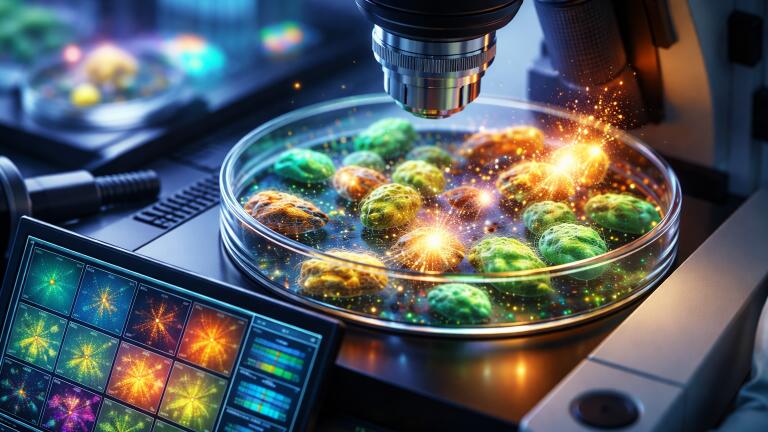
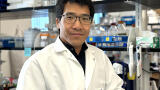
Against this background, a research team led by Dr Lucas Boeck from the Department of Biomedicine at the University of Basel and University Hospital Basel has developed what it has termed antimicrobial single-cell testing. The method has relied on high-resolution microscopic imaging of millions of individual bacteria exposed to thousands of different drug conditions allowing researchers to follow the fate of each cell across several days at a time.
“We used [the microscopic imaging] to film each individual bacterium over several days and observe whether and how quickly a drug actually kills it,” said Dr. Boeck.
The approach has made it possible to quantify precisely what proportion of a bacterial population is eliminated by any given treatment and to compare the efficiency of different therapeutic regimens.
To demonstrate the utility of the method, the researchers evaluated 65 combination therapies against the pathogen Mycobacterium tuberculosis. They also applied the technique to bacterial samples obtained from 400 patients with a separate but similarly complex lung infection caused by Mycobacterium abscessus, a species related to the TB bacterium and known for its poor response to treatment.
The analyses revealed marked differences between drug combinations and between bacterial strains isolated from different patients. The latter phenomenon – known as antibiotic tolerance – refers to the ability of bacteria to survive transient drug exposure without acquiring genetic resistance. Further investigation showed that specific genetic characteristics influenced how effectively bacteria could endure antibiotic treatment without being killed.
“The better bacteria [can] tolerate an antibiotic, the lower the chances of therapeutic success … for patients,” said Boeck.
When compared with data from clinical studies and animal models, results generated through antimicrobial single-cell testing closely reflected how effectively different treatments eradicated infection in real-world settings.
The method has served primarily as a research tool but the team has suggested that it could find future use in clinical diagnostics and pharmaceutical development. By characterising how individual bacterial strains respond to specific drugs, the approach could support more precise selection of antibiotic therapies for individual patients. It could also offer drug developers a more reliable way to estimate efficacy during preclinical testing.
“Our test method allows [for] us to tailor antibiotic therapies specifically to the bacterial strains in individual patients [in the future],” said Boeck. He added that a deeper understanding of the genetic basis of antibiotic tolerance could eventually enable simpler and faster diagnostic tests, and at the same also inform the design of better antimicrobial agents.
“Lastly, the data can help researchers to better understand the survival strategies of pathogens and [so] lay the foundations for novel, more effective therapeutic approaches,” Boeck added.
For further reading please visit: 10.1038/s41564-025-02217-y

.jpg)
-(2).jpg)