Pipettes
Reducing the risk of strain: Ergonomic pipetting practices and solutions
Jul 21 2025
Prolonged pipetting can lead to repetitive strain injuries (RSIs), with nearly 90% of researchers using pipettes for more than an hour daily reporting hand and arm issues. Discomfort can also extend to the wrist, shoulders, neck and back.
Three key risk factors contribute most to pipetting-related RSIs: posture, exertion, and repetition.
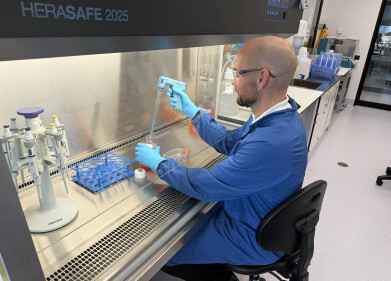
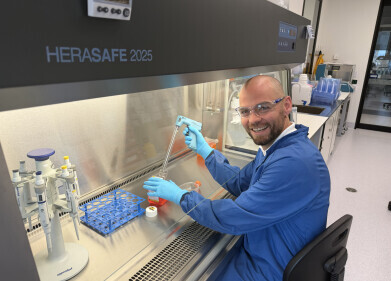
Posture: Maintaining a neutral posture is essential. Keep your back straight, shoulders relaxed, and feet flat on the floor or supported by a footrest. Try to keep your arms close to your torso and arrange frequently used labware and reagents within easy reach to minimise stretching.
Exertion: Pipetting requires a surprising amount of effort – lifting the instrument, aspirating and dispensing, and attaching or ejecting tips. Choosing pipettes with features such as a finger hook, low plunger resistance, reduced stroke travel, and light tip ejection can significantly lower this burden.
Repetition: Repeated motions over extended periods can increase injury risk. You can reduce repetition by using electronic models or switching to multichannel or adjustable spacing pipettes to streamline workflows and limit repetitive tasks.
The article also highlights how Integra Biosciences’ ergonomically engineered manual and automated pipetting tools are designed to ease physical strain, supporting comfort and efficiency across a range of applications.
More information online


Digital Edition
Lab Asia Dec 2025
December 2025
Chromatography Articles- Cutting-edge sample preparation tools help laboratories to stay ahead of the curveMass Spectrometry & Spectroscopy Articles- Unlocking the complexity of metabolomics: Pushi...
View all digital editions










Events
Jan 21 2026 Tokyo, Japan
Jan 28 2026 Tokyo, Japan
Jan 29 2026 New Delhi, India
Feb 07 2026 Boston, MA, USA
Asia Pharma Expo/Asia Lab Expo
Feb 12 2026 Dhaka, Bangladesh




