Laboratory products
Reframing Alzheimer’s Disease: How genomics, proteomics and AI are powering precision medicine from bench to bedside
Jun 19 2025
Author:
Nicole Selenko-Gebauer
on behalf of Danaher CorporationFree to read
Articles are free to download. Unlock the article to be shown more content, graphs and images.
With tremendous social and economic costs, dementia is now the seventh leading cause of death globally, affecting 57 million people worldwide1. There are nearly 10 million new cases each year - with 60–70% of cases being Alzheimer’s disease (AD) - and this is expected to rise to more than 150 million cases by 20502. Although age is the greatest known risk factor for AD, it is not an inevitable consequence of aging2. AD can also affect younger people, with young-onset dementia - defined as symptoms beginning before the age of 65 - accounting for less than 10% of all cases1. The already high and growing burden of this disease means there is ever increasing need for simpler and more accessible diagnostic testing, especially for early diagnosis and treatment.
Inflammation, autoimmunity and the metabolic roots of AD
Chronic neuroinflammation is now widely recognised as a central driver of AD progression. In the AD brain, activated microglia and astrocytes cluster around amyloid plaques and shift toward a sustained pro-inflammatory state, secreting cytokines3. These immune mediators not only induce oxidative stress and mitochondrial dysfunction but also disrupt insulin and growth factor signalling, creating a feedback loop that accelerates synaptic damage and cognitive decline4. This persistent inflammatory environment resembles immune overactivation seen in other chronic conditions and increasingly suggests that neuroinflammation is not a byproduct but a core driver of AD5.
There is growing recognition of autoimmune-like mechanisms within the disease. In a pattern reminiscent of type 1 diabetes5, where the immune system erroneously targets pancreatic β-cells, the AD brain shows upregulation of immune response genes, major histocompatibility complex (MHC) molecules, and even infiltration of peripheral immune cells - hallmarks of an autoimmune reaction3. These findings point to a possible breakdown in the brain’s immunological tolerance, where endogenous neuronal and glial components may become targets of the immune system, further perpetuating inflammation and tissue injury3.
Layered on top of this immune dysregulation is the well-established connection between type 2 diabetes mellitus (T2DM) and AD6. Extensive clinical and molecular research has linked AD to systemic insulin resistance and metabolic dysfunction characteristic of T2DM. Individuals with T2DM are nearly twice as likely to develop AD, and brain tissue from AD patients shows marked reductions in insulin receptor expression, impaired glucose and lipid metabolism7. These overlapping pathologies have led to the reframing of AD as ‘type 3 diabetes’ - a brain-specific form of insulin resistance that incorporates elements of both autoimmune dysregulation and metabolic dysfunction. This reconceptualisation unifies previously disparate threads of AD research and opens the door to precision therapeutic approaches targeting inflammation, immune dysfunction and metabolic signalling at the earliest stages of the disease. Much remains to be understood about the pathophysiology, natural history and progression of AD, which then needs to be parlayed into readily accessible diagnostics and disease-modifying treatments.
Biomarkers: The bedrock of precision diagnostics
At the heart of precision medicine lies the identification and application of biomarkers - molecular signals that indicate normal or pathological processes or pharmacologic responses to a therapeutic intervention. In AD, where early intervention is key to slowing or preventing neurodegeneration, the development of highly sensitive, reliable biomarkers is fundamental to enabling accurate diagnosis and disease monitoring well before symptoms emerge.
A promising advance in this field in terms of research comes from Beckman Coulter Diagnostics, which has recently developed a new panel of research use only high-sensitivity immunoassays specifically targeting four proteins that are known to be involved in the pathobiology of AD. These assays measure phosphorylated tau 217 (p-Tau217), glial fibrillary acidic protein (GFAP), neurofilament light chain (NfL) and apolipoprotein ε4 (APOE ε4) in human blood samples8. These biomarkers are well-established indicators of AD pathology (e.g., p-Tau217 ), and are known to be associated with a risk of developing AD (e.g., APOE ε4) or are markers of neurodegeneration and inflammation (i.e., NfL and GFAP)9,10,11,12,13.
Moreover, as current testing approaches require cerebrospinal fluid (CSF) sampling or advanced neuroimaging such as positron emission tomography (PET), the race is on to develop blood-based assays that offer a minimally invasive, scalable alternative suitable for both research and clinical environments. The first such assay for AD approved by the US Food and Drug Administration (FDA) was announced on 16 May 202514.
This assay was developed by Fujirebio with whom Beckman Coulter Diagnostics is in partnership16. Together with Fujirebio and Biogen, Beckman Coulter Diagnostics is continuing work to advance blood- and CSF-based biomarkers of tau pathology that could potentially predict AD years before clinical onset15-17. The ability to monitor AD biomarkers in blood rather than CSF removes a significant barrier to access, particularly in primary care and underserved settings. Combined with machine learning algorithms and other data integration tools, these biomarkers could help stratify patients, predict disease trajectory and guide therapeutic decisions - fulfilling the promise of precision neurology from the earliest stages of disease.
As available therapeutics are known to have the most benefit and better tolerability when used early in disease, being able to detect AD before clinical symptoms become too severe is critical. Therapeutically, the ambition evolves towards treating early, even if for a limited period of time, to demonstrate impact on delay of disease onset.
The central role of omics in understanding and treating AD
Genomic technologies are key to unlocking the complexity of AD. While early studies focused on well-known genetic mutations, like the APOE ε4 allele, today’s research has expanded to include polygenic risk scores and gene-environment interactions. These insights are revealing how disruptions in metabolic and immune-related genes may accelerate neurodegeneration.
To identify the right genomic targets, from individual alleles to polygenic risk markers, systems biology approaches founded on next-generation sequencing (NGS), genome-wide association studies (GWAS) and in silico disease models are being utilised18,19. These models require high-quality, precision tools and reagents and next-generation data analytical models. AI is accelerating progress in these technologies and approaches, for instance, by enhancing the design, optimisation and analysis of DNA complex sequences. Tools like Integrated DNA Technologies (IDT)’s SciToolsTM Plus API enable researchers to design genes with high precision while identifying and resolving sequence complexities, such as high guanine and cytosine (GC) content or secondary structures. This integration streamlines workflows in applications ranging from gene editing to synthetic circuit design, allowing for faster, more reliable construction of DNA constructs.
For example, through its partnership with IGI, the Danaher-IGI Beacon for CRISPR Cures aims to develop therapeutic platforms for over 500 genetic diseases, with many applications potentially extending to neurodegeneration.20 CRISPR gene editing - supported by IDT’s high-fidelity nucleic acids and current Good Manufacturing Practice (cGMP)-grade CRISPR guide RNAs - is enabling scientists to target genes regulating insulin signaling and neuroinflammation in the brain. Complementing this, Aldevron provides custom plasmids and mRNA to fuel preclinical and clinical gene-editing studies21. The recently announced personalised gene-editing treatment for an infant with a rare disease at the Children’s Hospital of Philadelphia was jointly manufactured by IDT and Aldevron, in collaboration with Acuitas Therapeutics. The case is viewed as a historic breakthrough in precision medicine, offering new hope for those with rare genetic disorders22.
While genomics reveals the blueprint, proteomics uncovers the real-time changes driving disease progression. In AD, proteomics analyses illuminate key post-translational modifications of tau and insulin receptor substrates, as well as accumulation of oxidatively modified proteins. These data and that from other omics analyses are vital to understanding disease pathophysiology and identifying early-stage disease markers. SCIEX, a global leader in life science analytical technologies, plays a pivotal role in AD research by providing advanced mass spectrometry tools that facilitate the discovery and quantitation of biomarkers associated with the disease. These systems enable ultra-sensitive quantitation of proteins and their modifications in various samples. Innovations such as fast scanning quantitative lipidomics analysis can detect lipid isomers such as lysophospholipids, a class of lipid that may be implicated in AD.
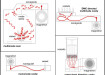
Leica Microsystems, renowned for high-resolution imaging, provides spatial proteomics tools for the topological assessment of protein expression in specific brain regions - bridging molecular data with histopathological findings. Moreover, organoids - three dimensional (3D) cell models that mimic biological structures and interactions better than 2D cell cultures - such as Molecular Devices’ neurospheres formed using human induced pluripotent stem cell (iPSC)-derived glutamatergic neurons, GABAergic neurons, and astrocytes, can be used to successfully model AD for functional characterisation23. Molecular Devices and Leica Microsystems have developed AI-enabled solutions for characterisation of organoids, including the detection of morphological changes to cells that would otherwise be difficult to detect and characterise24,25,26. Leica Biosystems is also developing AI-driven digital pathology tools and biomarker assays for high throughput diagnostic screening27,28.
AI, Machine Learning and Deep Learning: From pattern recognition to predictive power
With the proliferation of multi-omics data, AI is fast becoming indispensable. Algorithms in machine learning (ML) and deep learning (DL) are now being deployed to accelerate the discovery cycle, from therapeutic target discovery to early diagnosis. As multiple biomarkers and multimodal signatures of AD are discovered and translated, there is potential to leverage AI to predict the risk of disease onset and progression, guide patients throughout their journey, and help accelerate drug development. Moreover, high content screening and AI are being used to analyse cellular responses to genetic perturbations in preclinical models of AD. These screens combine CRISPR knockouts created using IDT solutions, and imaging using Molecular Devices tools, building functional genomics maps of neuronal pathways. AI then assembles these datasets into gene interaction networks, highlighting high-priority targets for further investigation.
At the same time, Indica Labs and Leica Biosystems are applying an AI-powered digital pathology platform to accelerate the advent of next-generation companion diagnostics29. These systems leverage deep learning to provide reproducible, scalable assessments that support both clinical trials and basic research30.
The development of AI-enabled diagnostics relies on biomedical research looking to classify AD tissue samples, quantify amyloid/tau burden, and detect microglial activation.
Collaborative synergies: Academia, industry, and innovation
The scale and complexity of AD demands interdisciplinary collaboration. Danaher is leading the path to advance science via the Beacon program, establishing partnerships with the Innovative Genomics Institute (IGI), Stanford University, Cincinnati Children’s Hospital, Duke University and many others.
One notable collaboration is the Bio-Hermes-002 study, conducted in partnership between Beckman Coulter Diagnostics, Global Alzheimer’s Platform Foundation (GAP) and other collaborators31.Through these and other efforts, our ambition is to help support not only earlier detection but also stratified intervention. Our collaborative momentum supports a shift from symptomatic treatment to preventive precision medicine - a paradigm where asymptomatic individuals at high risk are identified early through biomarkers and genetic profiling and managed proactively.
Precision medicine in practice: The future of AD diagnostics and treatment
The precision medicine approach in AD envisions stratifying patients by genetic, proteomic and metabolic markers to tailor interventions. The endgame of these efforts is a seamless translation of molecular data into actionable clinical insights. A world in which a patient’s biomarker profile - built on genomics, transcriptomics, proteomics and metabolomics - is used to define the right treatment, at the right time, in the right sequence, for the right patient. For all patients, whether it’s diagnosing preclinical AD, forecasting cognitive decline, or personalising drug regimens, the future lies in composite biomarker panels and integrated precision platforms. Danaher’s ecosystem of companies, empowered by partnerships with top-tier research institutions, is driving the acceleration of this transformation. Our operating companies are at the forefront, leading the way from enabling discovery for the long-term to bringing diagnostics to the clinic and empowering development of disease-modifying therapies for AD patients.
AD, once an enigma of tangled proteins and cognitive shadows, is being unravelled at the molecular level. As the definition of AD evolves to include metabolic dysfunction and insulin-signalling impairment, our approaches to diagnosis and treatment are also shifting. The integration of omics technologies, AI, and collaborative innovation heralds a new era in neurology - one where precision medicine is not a distant dream, but an emerging standard. Through the contributions of researchers worldwide and their partners in industry, we are inching closer to a reality in which AD can be diagnosed early, treated effectively, and perhaps one day, prevented entirely.
1. World Health Organization. Dementia. Key facts. March 31, 2025. Available at:
https://www.who.int/news-room/fact-sheets/detail/dementia (accessed May 21, 2025).
2. GBD 2019 Dementia Forecasting Collaborators. Estimation of the global prevalence of dementia in 2019 and forecasted prevalence in 2050: an analysis for the Global Burden of Disease Study 2019. Lancet Public Health. 2022;7(2):e105-e125. doi: 10.1016/S2468-2667(21)00249-8. Epub 2022 Jan 6.
3. Erichsen J, Craft S. Targeting immunometabolic pathways for combination therapy in Alzheimer’s disease. Alzheimers Dement (N Y). 2023;9(4):e12423. doi: 10.1002/trc2.12423.
4. de la Monte SM, Wands JR. Alzheimer’s Disease Is Type 3 Diabetes–Evidence Reviewed. J Diabetes Sci Technol. 2008;2(6):1101–1113. doi: 10.1177/193229680800200619.
5. de la Monte SM. Conquering Insulin Network Dysfunctions in Alzheimer’s Disease: Where Are We Today? J Alzheimers Dis. 2024;101(Suppl 1):S317–S343. doi: 10.3233/JAD-24006.
6. Barbera M, et al. A multimodal precision-prevention approach combining lifestyle intervention with metformin repurposing to prevent cognitive impairment and disability: the MET-FINGER randomised controlled trial protocol. Alzheimers Res Ther. 2024 Jan 31;16:23. doi: 10.1186/s13195-023-01355-x.
7. Cao F, et al. The relationship between diabetes and the dementia risk: a meta-analysis. Diabetol Metab Syndr. 2024;16(1):101. doi: 10.1186/s13098-024-01346-4.
8. Beckman Coulter. Empowering Neurodegenerative Disease Research. Blood-based Neurology Disease Assays. Available at: https://www.beckmancoulter.com/products/immunoassay/neurology#assay (accessed May 21, 2025).
9. Thijssen EH, et al. Amyloid, pTau, NfL, and GFAP as biomarkers for Alzheimer’s disease. Alzheimer’s Dement. 2020;16(Suppl. 5):e038179. doi: 10.1002/alz.038179.
10. Beckman Coulter. Information Bulletin. Using the new Access p-Tau217 (RUO) assay in your laboratory. Available at: https://media.beckmancoulter.com/-/media/diagnostics/products/immunoassay/neurology/docs/d26743-aa.pdf rev=d7873e5aea574241bf0ff0f8d7eea64e&hash=CEB4F073C9514336B06B115477B7F2C2 (accessed May 21, 2025).
11. Beckman Coulter. Information Bulletin. Using the new Access APOE Ɛ4 (RUO) assay in your laboratory. Available at: https://media.beckmancoulter.com/-/media/diagnostics/products/immunoassay/neurology/docs/apoe-ruo-information-bulletin.pdf?rev=924744a7d8d343ccb4cb68953dda8166&hash=8BE199FF1EFF96711D4F629B3A6D9B1D (accessed May 21, 2025).
12. Beckman Coulter. Information Bulletin. Using the new Access NfL (RUO) assay in your laboratory. Available at: https://media.beckmancoulter.com/-/media/diagnostics/products/immunoassay/neurology/docs/nfl-ruo-information-bulletin.pdf?rev=18523f86bc8e40829dad8c7297df5864&hash=68A8B1BBC4B4EEFB765FAA14959561B8 (accessed May 21, 2025).
13. Beckman Coulter. Information Bulletin. Using the new Access GFAP (RUO) assay in your laboratory. Available at: https://media.beckmancoulter.com/-/media/diagnostics/products/immunoassay/neurology/docs/gfap-ruo-information-bulletin.pdf?rev=0731576d58e84ce08a62ab330cd3f97d&hash=FCD35A5E8498A78AC209A490F2D70833 (accessed May 21, 2025).
14. US Food and Drug Administration. FDA Clears First Blood Test Used in Diagnosing Alzheimer’s Disease. FDA News Release. May 16, 2025. Available at: https://www.fda.gov/news-events/press-announcements/fda-clears-first-blood-test-used-diagnosing-alzheimers-disease (accessed May 21, 2025).
15. Biogen. Biogen, Beckman Coulter and Fujirebio to Collaborate on Blood-Based Biomarkers and Test for Tau Pathology in Alzheimer’s Disease. Release Details. July 30, 2024. Available at: https://investors.biogen.com/news-releases/news-release-details/biogen-beckman-coulter-and-fujirebio-collaborate-blood-based (accessed May 21, 2025).
16. Beckman Coulter. Beckman Coulter Receives FDA Breakthrough Device Designation for Alzheimer’s Disease Blood Test. Press release. January 28, 2025. Available at: https://news.beckmancoulter.com/2025-01-28-Beckman-Coulter-Receives-FDA-Breakthrough-Device-Designation-for-Alzheimers-Disease-Blood-Test (accessed May 21, 2025).
17. Biogen. Biogen, Beckman Coulter and Fujirebio to Collaborate on Blood-Based Biomarkers and Test for Tau Pathology in Alzheimer’s Disease. Press release. July 30, 2024. Available at: https://investors.biogen.com/node/28221/pdf (accessed May 21, 2025).
18. Leonenko G, et al. Identifying individuals with high risk of Alzheimer’s disease using polygenic risk scores. Nat Commun. 2021 Jul 23;12(1):4506. doi: 10.1038/s41467-021-24082-z.
19. Castrillo JI, et al. Systems Biology Methods for Alzheimer’s Disease Research Toward Molecular Signatures, Subtypes, and Stages and Precision Medicine: Application in Cohort Studies and Trials. Methods Mol Biol. 2018:1750:31-66. doi: 10.1007/978-1-4939-7704-8_3.
20. Danaher. Danaher, Innovative Genomics Institute join forces. News Article. January 9, 2024. Available at: https://danaher.com/landmark-partnership-crispr-drug-development (accessed May 21, 2025).
21. Danaher. Danaher, Jennifer Doudna, and Innovative Genomics Institute Launch Danaher-IGI Beacon for CRISPR Cures with Aim to Address Hundreds of Diseases Using Gene-editing Platform Solution. January 9, 2024. Available at: https://lifesciences.danaher.com/us/en/news/danaher-igi-beacon-for-crispr-cures.html (accessed May 21, 2025).
22. Aldevron and Integrated DNA Technologies Manufacture World’s First mRNA-based Personalized CRISPR Therapy. CRISPR Medicine News. May. 15, 2025. Available at: https://crisprmedicinenews.com/press-release-service/card/aldevron-and-integrated-dna-technologies-manufacture-worlds-first-mrna-based-personalized-crispr-th/ (accessed May 21, 2025).
23. Macha K, et al. Functional characterization of healthy Alzheimer’s disease-related 3D neurospheres formed using human iPSC-derived glutamatergic neurons, GABAergic neurons, and astrocytes. Molecular Devices, and FUJIFILM Cellular Dynamics, Inc. Scientific Poster. 2024. Available at: https://www.moleculardevices.com/en/assets/scientific-posters/dd/flipr/functional-characterization-of-alzheimers-disease-related-3d-neurospheres-using-human-ipsc-derived-glutamatergic (accessed May 21, 2025).
24. Rudolf R. Notable AI-based Solutions for Phenotypic Drug Screening. Leica Microsystems. Webinar. December 6, 2023. Available at: https://www.leica-microsystems.com/science-lab/life-science/notable-ai-based-solutions-for-phenotypic-drug-screening/ (accessed May 21, 2025).
25. Zaltsman A, Bashkurov M, Hwang Y-C. Label-free cell segmentation with IN Carta SINAP application module. Molecular Devices. Application Note. Available at: https://www.moleculardevices.com/en/assets/app-note/dd/img/label-free-cell-segmentation-with-in-carta-sinap-application-module (accessed May 21, 2025).
26. Sirenko O, Fedorov D, Goldberg I. AI-based analysis of complex biological phenotypes. Molecular Devices, and ViQi, Inc. Scientific Poster. 2020. Available at: https://www.moleculardevices.com/sites/default/files/en/assets/scientific-posters/dd/img/ai-based-analysis-of-complex-biological-phenotypes.pdf (accessed May 21, 2025).
27. Salinas C. Artificial Intelligence in Pathology: Challenges and Considerations. Leica Biosystems. Educational Article. Available at: https://www.leicabiosystems.com/educational-resources/articles/artificial-intelligence-pathology-challenges-and-considerations/ (accessed May 21, 2025).
28. Dayal S, Heath J. Biomarkers. Leica Biosystems. Educational Article. Available at: https://www.leicabiosystems.com/educational-resources/articles/biomarkers/ (accessed May 21, 2025).
29. Leica Biosystems, and Indica Labs. Leica Biosystems and Indica Labs Announce Significant Strategic Investment and Creation of Digital Pathology Platform. Leica Biosystems. Press release. January 8, 2025.Available at: https://www.leicabiosystems.com/news-events/leica-biosystems-and-indica-labs-announce-significant-strategic-investment-and-creation/ (accessed May 21, 2025).
30. Indica Labs. Indica Labs Announces AI-Powered HALO® Software Release for Digital Pathology Research in Life Sciences. Lab Bulletin. June 20, 2024. Available at: https://www.labbulletin.com/articles/indica-labs-announces-aipowered-halo-software-release (accessed May 21, 2025).
31. Global Alzheimer’s Platform Foundation. Beckman Coulter Diagnostics Joins the Transformative Bio-Hermes-002 Study as New Partner. Global Alzheimer’s Platform Foundation. Press Release. January 23, 2025. Available at: https://globalalzplatform.org/2025/01/23/beckman-coulter-diagnostics-joins-the-transformative-bio-hermes-002-study-as-new-partner/ (accessed May 21, 2025).
Free to read
Articles are free to download. Please login to read this article or create an account.
Digital Edition
Lab Asia Dec 2025
December 2025
Chromatography Articles- Cutting-edge sample preparation tools help laboratories to stay ahead of the curveMass Spectrometry & Spectroscopy Articles- Unlocking the complexity of metabolomics: Pushi...
View all digital editions






Events
Jan 21 2026 Tokyo, Japan
Jan 28 2026 Tokyo, Japan
Jan 29 2026 New Delhi, India
Feb 07 2026 Boston, MA, USA
Asia Pharma Expo/Asia Lab Expo
Feb 12 2026 Dhaka, Bangladesh