Laboratory products
Gain the upper hand over bacteria with anti-microbial push plates
Nov 20 2018
Bacteria are a fact of life and managing microbial risk in cleanrooms is always going to be easier said than done. Prevention is better than cure but no matter what measures you put in place, it’s inevitable that bacteria will breach the perimeter. As such, managing risk within the cleanroom itself should be a given.
So, what presents the greatest risk within cleanroom? While root cause analysis of swab testing generally reveals furniture as flagging the greatest number of amber alerts, this presents a predictable and easily solved issue. After all, if a particular piece of furniture is problematic on an ongoing basis you can swap it out it relatively quickly and cheaply - at least in the grand scheme of things.
By comparison, it’s not so easy to replace your staff. Humans are notoriously unpredictable and - to put it bluntly - we are riddled with contaminants. 80 per cent of infections - whether bacterial, viral or fungal - are spread by touch. To make matters (even) worse, consider everything you touch over the course of 30 minutes during a typical shift - pens, table tops, doors… all of which can host unpleasant microbes.
Clearly managing hand hygiene is crucial, but how do you enforce it? There’s no replacement for staff training and signage but the secret lies in make hygienic processes instinctive and, as far as possible, unavoidable.
This starts in changing areas, both in practical and psychological terms: the design and layout for gowning can reinforce the SOP before it even starts. It’s important to create a linear flow so no stage in the process will be missed and to direct attention to hygiene protocols by carefully positioning sanitising sprays in relation to shoes, gowns, hairnets and finally gloves, in a logical order.
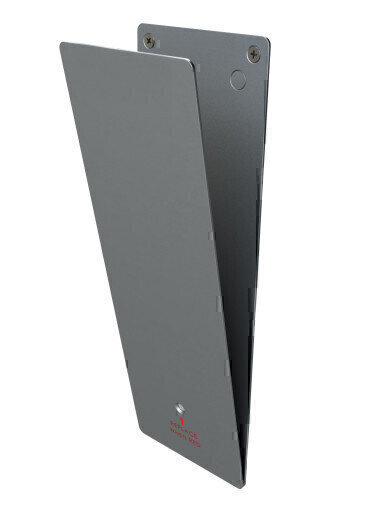
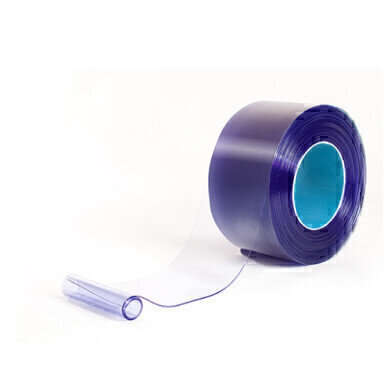
Anything with antimicrobial properties helps manage risk. Antimicrobial door push plates at the entrance to the cleanroom itself and antimicrobial PVC curtains within the hygiene-controlled area help to minimise the risk of bacteria being carried around. Installing anti-microbial PVC strip curtains between zones will help prevent the risk of cross contamination, with swab tests demonstrating significant reductions.
The door push plates are proven to be 96.4% cleaner than even stainless steel thanks to a coating that kills 99.9% of bacteria. The silver ion technology starts working immediately and eliminates any microbes deposited onto the surface by users.
The hygienic door push plates are inexpensive, sturdy and require no maintenance. The coating lasts for up to 12 months, a built-in indicator reveals when the plate needs to be updated. When the time comes, the front plate is magnetically secured so it can be changed without even having to use a screwdriver.
While there’s no substitute for ongoing testing and controls, a cumulative prevention strategy will have a positive impact on helping keep microbe numbers safely below alert level. It’s hands-down the safest way to reduce risk.
For further information please click here.

Digital Edition
Lab Asia Dec 2025
December 2025
Chromatography Articles- Cutting-edge sample preparation tools help laboratories to stay ahead of the curveMass Spectrometry & Spectroscopy Articles- Unlocking the complexity of metabolomics: Pushi...
View all digital editions










Events
Jan 21 2026 Tokyo, Japan
Jan 28 2026 Tokyo, Japan
Jan 29 2026 New Delhi, India
Feb 07 2026 Boston, MA, USA
Asia Pharma Expo/Asia Lab Expo
Feb 12 2026 Dhaka, Bangladesh




