Chromatography
Peptide Therapeutics: The Case of GLP-1a Self-Association
Mar 04 2025
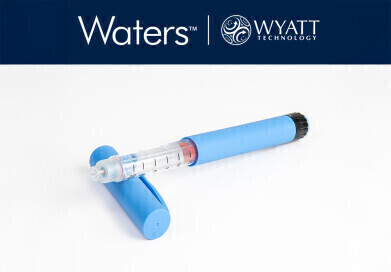
Peptide therapeutics, such as GLP-1a (glucagon-like peptide-1 agonists), offer promising treatments for weight control and diabetes. However, these peptides present significant formulation challenges, due to their tendency to self-associate. Understanding and controlling the peptide's oligomeric state is crucial for developing effective peptide therapeutics.
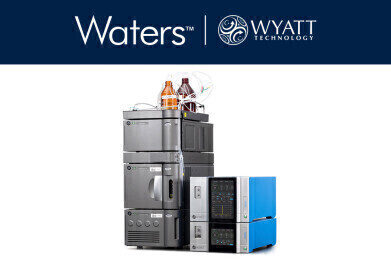
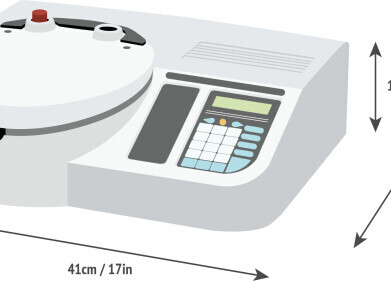
Using the DAWN™ multi-angle light scattering instrument, you can tackle the challenges of self-association, identifying stable native oligomers or irreversible aggregates that may impact bioavailability, pharmacokinetics, or immune responses.
Limitations of Conventional SEC Methods
Size exclusion chromatography (SEC) is often used to in biotherapeutic characterization. However, for peptides like GLP-1a, SEC can be unreliable. Conventional SEC assumes that the analyte behaves similarly to the calibration standard used to create the column’s calibration curve. This assumption breaks down for peptides, which may exist in multiple oligomeric forms or dissociate during the SEC run.
Peptides such as GLP-1a can form aggregates or dissociate on-column, leading to inaccurate estimations of molar mass and oligomeric state. Therefore, SEC may fail to capture the peptide’s true molecular forms, especially under native conditions where the peptide exists in equilibrium between different oligomers.
Overcoming Challenges with SEC-MALS
SEC coupled with multi-angle light scattering (SEC-MALS) provides a solution to these uncertainties. Unlike traditional SEC, SEC-MALS directly measures the absolute molar mass of the analyte without relying on column calibration standards. By measuring scattered light at multiple angles, SEC-MALS provides a more accurate determination of the peptide’s size and oligomeric state.
In our latest application note, we analyzed liraglutide, a GLP-1a analog with SEC-MALS to assess the peptide’s oligomeric state in a native and denaturing condition. SEC-MALS revealed that liraglutide formed hexamers in solution, which was crucial for understanding the peptide's behavior and its potential therapeutic impact.
Influence of Buffer Conditions on Oligomeric State
GLP-1a’s oligomeric state is sensitive to buffer conditions. For instance, small changes in buffer pH (from 8.1 to 7.4) resulted in a significant shift in the liraglutide’s elution time during SEC, highlighting the importance of controlling formulation conditions. SEC-MALS revealed that this change caused a 20-30% increase in larger oligomers, shifting the peptide from hexamers to a mixture of heptamers and octamers.
These changes could indicate inconsistencies in the buffer formulation, which can be identified during quality control using SEC-MALS. Relying on traditional SEC methods with calibration standards would lead to incorrect conclusions about the peptide's molar mass.
Implications for Quality Control and Generics Development
Accurate characterization of the oligomeric state is crucial not only for the biological activity of peptide therapeutics but also for ensuring manufacturing consistency. In the development of generics or for quality control during production, monitoring oligomeric state changes can help identify deviations in buffer conditions or formulation processes.
By using advanced techniques like SEC-MALS, manufacturers can ensure their peptide products maintain the desired oligomeric state, enhancing consistency, safety, and efficacy. This approach provides a reliable method for characterizing peptide therapeutics like GLP-1a, ensuring they meet regulatory and clinical standards.

Digital Edition
Lab Asia Dec 2025
December 2025
Chromatography Articles- Cutting-edge sample preparation tools help laboratories to stay ahead of the curveMass Spectrometry & Spectroscopy Articles- Unlocking the complexity of metabolomics: Pushi...
View all digital editions










Events
Jan 21 2026 Tokyo, Japan
Jan 28 2026 Tokyo, Japan
Jan 29 2026 New Delhi, India
Feb 07 2026 Boston, MA, USA
Asia Pharma Expo/Asia Lab Expo
Feb 12 2026 Dhaka, Bangladesh




